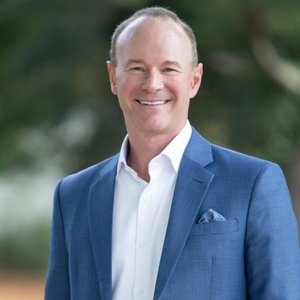
Henry Daniel Sandel IV, MD, FACS
Board Certified Facial Plastic Surgeon
Board Certified Facial Plastic Surgeon
MEET DR. SANDEL Dr. Henry D. Sandel IV, MD, FACS is a double board-certified facial plastic surgeon and founder of Sandel Duggal Center for Plastic Surgery in Annapolis, Maryland. In private practice since 2007, he specializes in facelift and neck lift surger
Asked By: LQ2525
ANSWER
Silicone injections commonly cause complications, especially in soft tissue close to the surface or areas with thin skin. The lips are particularly prone to these problems. I am also not a fan of fat transfers or permanent implants in the lips over the long term. They can become lumpy and cause contraction, and correcting them requires surgery. That surgery can create more scar tissue and make the problem harder to correct. It looks like you have contraction and volume loss on the left side. I would recommend a soft hyaluronic acid filler such as Restylane Silk or Restylane Kysse to improve the volume and symmetry. I would avoid putting more fat or permanent material into this area. Even though these fillers are temporary, they are adjustable and can be dissolved if necessary. I would inject a little at a time, let it settle, then make small adjustments. This allows very detailed correction of the shape and contour without another surgery. The results need maintenance, but that also gives us the ability to refine the correction over time.
Asked By: Awesome831937
ANSWER
You may have two things going on. One is your skin reaction to rosacea, which can affect the quality and thickness of the skin on your nose. This sounds like what you are noticing. I would treat the rosacea first, then at some point consider CO2 laser resurfacing of the nose to help with the skin thickness. It can be really effective for this, but it is rare to see significant skin effects from rosacea at such a young age. The second thing is that you clearly have prominent nasal tip cartilages. These should be treated with rhinoplasty, along with septoplasty if you are not breathing well and your septum is deviated. The rhinoplasty and septoplasty should be done together. The CO2 laser should not be done at the same time as the rhinoplasty because tape and a splint are needed after surgery. I usually resurface the nose a week later, once the splint comes off.
Asked By: Hepburnn
ANSWER
A phenol peel is much more aggressive than I would recommend for sun spots and freckles. I would start with BBL, or BroadBand Light. It targets the unwanted brown pigment to fade the spots and give your skin a more even tone, with much less recovery than a deep peel. It can also improve redness and small facial vessels at the same time. A series of treatments is often needed to get the best result. Daily sun protection is essential to maintain the improvement and help prevent new spots from developing. The deeper pigment you mention needs to be distinguished from ordinary sun spots and freckles, since it may respond differently. Your skin type and the type of pigmentation should guide the treatment. For typical sun damage in an appropriate skin type, BBL would be my first choice.
Asked By: LynnMW
ANSWER
I’m not a fan of fat transfer to the nasolabial folds and marionette lines. The fat may not fully take, as you’ve experienced. If some areas take and others don’t, the result can be lumpy, and that can be very difficult to correct without surgically removing the fat. I would recommend a hyaluronic acid dermal filler in these areas. Fillers allow more precise control over the amount and placement, so we can soften the folds and carefully refine the contour. Small adjustments can be made to get the result just right, and hyaluronic acid fillers can be dissolved if needed. The result can be significantly better and more refined. Dermal fillers are temporary and do need to be maintained, but this is usually very easy to do with treatment once or twice a year. For these areas, I think that maintenance is a worthwhile tradeoff for the control we have over the final result.
Asked By: Sparker22
ANSWER
A skin graft can heal lighter than the surrounding skin, even when it comes from a nearby area. At 15 months, much of the healing has already occurred. I would recommend CO2 laser resurfacing. This will help the graft blend a lot better with the surrounding skin and improve sun damage and precancerous skin changes at the same time. It won’t fully restore the pigment to the graft, but it should help it look a lot better. There is not much you can do at home to achieve this same improvement. Sun protection and camouflage makeup can help in the meantime.
Asked By: Timmy818
ANSWER
Sleeping on your side briefly should not change your septoplasty results. Septal surgery is performed inside the nose and generally does not affect its outside appearance. If too much cartilage is removed, the remaining support, called the L strut, can weaken. This can allow the nose to deviate or the septum to warp through the middle vault and cause breathing problems. Those changes would be related to the surgery itself. At only five days after surgery, swelling and congestion can also make one side harder to breathe through. It takes a few months for all of the swelling to subside, but give it another week or two and your breathing should improve if this is just postoperative swelling. Let your surgeon know about the change, and avoid putting pressure on your nose while it heals.
Asked By: noor eso
ANSWER
Your nose is clearly deviated, especially through the middle vault where the cartilage meets the bone and below. It looks like you have collapse of the left middle vault and likely a significantly deviated septum as well. I’m not sure if you’ve had a previous injury or nasal surgery, but this could be related to either, or it could have been present from birth. This can be corrected with rhinoplasty and septoplasty to straighten the nasal bones and septum and narrow the middle vault while supporting it. A good rhinoplasty should help you breathe well and have your nose looking its best.
Asked By: Glorious993181
ANSWER
Three years is too long to leave a known basal cell carcinoma on the nose untreated. Although your diagnosis was only recently confirmed, I would now prioritize treatment. As the cancer grows, more tissue may need to be removed, making reconstruction more involved. I strongly favor Mohs surgery on the nose because it confirms clear margins while preserving as much healthy skin as possible. Tissue is removed in carefully mapped stages as needed; the number of stages depends on where cancer remains, rather than a predetermined target. For reconstruction, I recommend a facial specialist who regularly repairs nasal skin-cancer defects. Repair can often be performed the same day, and a small local skin flap may be preferable to a graft when the wound’s size and location allow. With thoughtful reconstruction, the scar may ultimately be quite inconspicuous.
Asked By: cauliflowerisaflower
ANSWER
Facial fat grafting can produce scar tissue, firmness, or lumps, particularly if some of the transferred fat does not survive. However, having fat grafting does not automatically prevent a future facelift or make it significantly more difficult. The effect depends on where the fat was placed, the amount injected, and how the tissues healed. Significant scarring can make later surgery more involved. My reservations about facial fat grafting relate more to the unpredictability of fat survival, the potential for unevenness or overfilling, and the difficulty of correcting unwanted volume. It can be useful in appropriately selected patients, but I favor a more predictable approach. There is no blanket rule that you should never have more than one treatment. Some patients benefit from staged grafting, but additional sessions should have a clear purpose and follow an assessment of the healed result. Repeatedly adding volume is not a substitute for addressing tissue sagging. If you are considering a facelift, discuss that plan before undergoing further fat grafting. A surgeon who performs both procedures can evaluate your existing volume, any areas of firmness, and whether lifting, volume replacement, or a combination would best address your concerns.
Asked By: Sleekone
ANSWER
**Brow and Eyelid Evaluation, With a Tailored Approach to the Lower Face** Thank you for explaining your concerns so clearly. The differing recommendations can be confusing, but they address separate issues: brow position, eyelid skin, loss of volume, and lower-face sagging. For your upper eyelids, the key is determining how much heaviness comes from the brow versus excess eyelid skin. Upper blepharoplasty removes excess skin but does not lift the brow. A brow lift, sometimes combined with conservative eyelid surgery, may be appropriate depending on the examination. A high forehead influences the choice of brow-lift technique; it does not automatically rule out every endoscopic approach. A lift through an incision at the hairline may be worth discussing because it can elevate the brow while maintaining or reducing forehead height. The tradeoff includes a scar along the hairline. Your surgeon should also review your Botox placement and timing, since you notice increased heaviness after treatment. Botox should lift your brows nicely.. and not make you feel heavy. For the lower face, age 43 alone does not determine whether a facelift is appropriate or “too drastic.” The decision depends on the degree of tissue descent, skin laxity, and your goals. A facelift can improve jowling and soften nasolabial folds, although it will not necessarily eliminate those folds. Fat transfer can address temple hollowing, but it serves a different purpose from lifting descended lower-face tissues. Your photograph does not show enough of the lower face and neck to recommend a particular facelift technique. An in-person consultation with a qualified facial plastic surgeon would help establish which changes each procedure can realistically achieve. The aim should be a proportionate, refreshed result with a clear understanding of the scars, recovery, and risks.