Revision Rhinoplasty near Detroit, MI
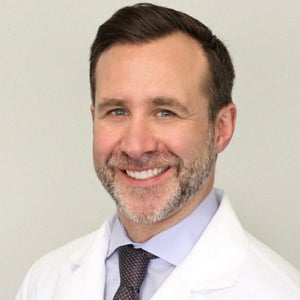
Giancarlo Zuliani, MD
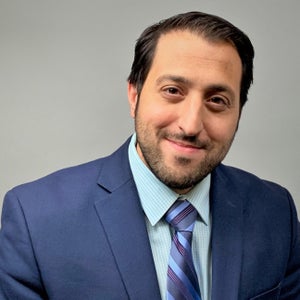
Robert Deeb, MD

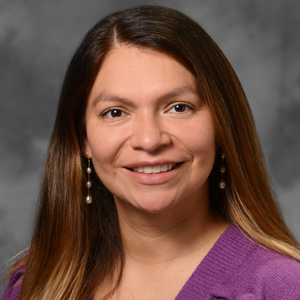
Laura Garcia-Rodriguez, MD
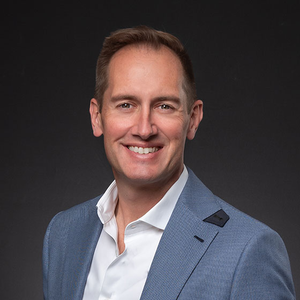
Michael Fozo, MD, FACS
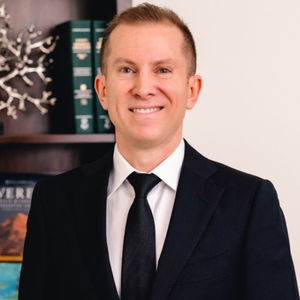
Gregory Lakin, MD
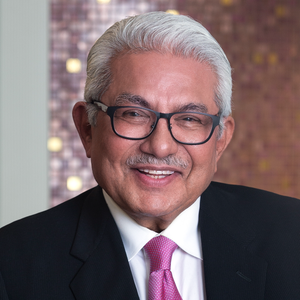
Mune Gowda, MD

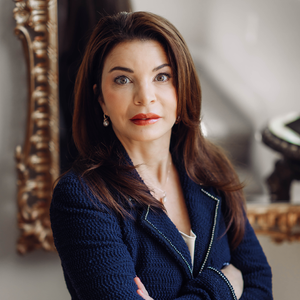
Mariam Awada, MD, FACS
After a botched septo-rhinoplasty and revision performed by the same doctor in Windsor I was left with a horrible nose that made me horribly self conscious. After years of searching for someone I made a consultation with Dr. Golden. Upon meeting him he was frank, to the point and told me exactly what he could do and how he could improve my horribly mis-shapen nose. He showed me many cases of...
***Warning- very detailed story/review*** I have been insecure about my nose for as long as I could remember. In middle school, kids nicknamed me 'big nose'. For so many years, I had to deal with having such a degrading nickname that followed me almost all my life.Then finally, I had made the decision to have a rhinoplasty. I spent so much time coming on this website researching the different...
I had rhinoplasty with another surgeon when I was 20 years old and the experience was not a good one. The appearance of my nose was barely different and I was left with a hole in my septum. When I came to Dr. Deeb, I was looking for him to do two things; fix the hole in my nose and give me the appearance I desired. I originally was expecting two surgeons were needed to achieve both my needs,...

DOCTOR DIRECTORY
WE SEND PRETTY
EMAILS
What’s trending? Who’s turning heads? Which TikTok myths need busting? We’ve got you. No fluff, no gatekeeping—just real talk. Get our free, unfiltered newsletter.