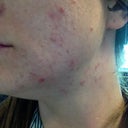
When prescribed to an appropriate patient—who complies with mandatory screening requirements (outlined below)—and carefully monitored by a board-certified dermatologist on a regular basis, Accutane is generally considered to be a safe and effective treatment for severe cystic acne.
That said, the drug does carry a number of serious risks, possible side effects, and contraindications.
The biggest risk is to pregnant women. Isotretinoin can cause miscarriages, severe birth defects, and stillbirths. Routine pregnancy tests and multiple forms of contraception, like birth control pills plus condoms, are essential for premenopausal women on Accutane (more on this below).
Common Accutane side effects
Most Accutane patients will experience some of these side effects:
- Dryness and peeling skin, especially around the lips, eyes, and nose
- Eczema flares (bland moisturizing creams and ointments can help)
- Dry eyes
- Nose bleeds (resulting from dry mucous membranes)
- Joint pain and muscle pain
- Increased cholesterol and triglyceride levels
- Some temporary hair loss
- Increased sun sensitivity
One small study found muscle aches and lumbar pain to be more common in women vs. men on Accutane, but otherwise, Accutane side effects in males are similar to those in women (except pregnancy-related issues, of course).
Isotretinoin can sometimes make you tired, although this may be alleviated by changing your medication time.
Dr. Rahimi also cautions that this medication can affect the skin’s ability to heal. Because of that, “patients on Accutane should refrain from aesthetic ablative lasers, tattoos, or body piercing for at least 4 months” after their isotretinoin treatment ends.
Possible sexual side effects
In both men and women taking Accutane, there have been reports of persistent sexual side effects, such as:
- Erectile dysfunction
- Loss of libido
- Genital numbness
Less common side effects
These side effects are more rarely associated with the use of isotretinoin.
- Nausea
- Irritable bowel syndrome
- Rectal bleeding
- Blurred vision (night vision in particular)
- Dizziness
- Allergic reaction
- Jaundice (yellowing of the skin and whites of the eyes)
Mental health risks
This drug has been associated with depression, mood changes, psychosis, and suicide, though the link may be correlation, rather than causation. “We are usually treating younger people, who are more likely to have mood disorders,” points out Dr. Rahimi. “I have treated Accutane patients since 1999 and have not seen any patients become truly depressed.”
Some studies have also shown that the use of isotretinoin can improve mental health. “Large population-based studies have demonstrated that patients who use this drug have much greater likelihood of attaining a sense of well-being than of feeling more depressed,” says Dr. Ting.
Letting acne go untreated can also be detrimental to mental health, points out Dr. Rahimi. “It hurts me when I see a 16- or 17-year-old with really deep disfiguring scars who did not get Accutane because of a perceived risk of depression.”
If you have a history of depression or eating disorders, talk with your provider about whether an alternative acne treatment may be better.
Worsening of preexisting conditions
Health problems like diabetes, an intestinal disorder (like ulcerative colitis or inflammatory bowel disease), heart disease, bone disorders, asthma, liver disease, or high cholesterol or triglycerides may become worse with isotretinoin treatment.
Rare long-term adverse events that can persist even after isotretinoin treatment include vision problems, internal organ damage, or sexual side effects.
RealSelf Tip: You may have heard that isotretinoin increases cancer risk, but in fact the opposite is true: it's being used in clinical trials to help stop the growth and spread of cancer cells.