You can trust RealSelf content to be unbiased and medically accurate. Learn more about our content standards.

You can trust RealSelf content to be unbiased and medically accurate. Learn more about our content standards.
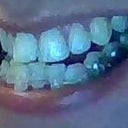
Lingual braces are similar to traditional metal braces for straightening teeth, with one key difference: the brackets, wires, and even the elastics of lingual braces are mounted onto the backs of your teeth, so they can’t be seen.
FIND A LINGUAL BRACES PROVIDER NEAR YOUYou can trust RealSelf content to be unbiased and medically accurate. Learn more about our content standards.
You can trust RealSelf content to be unbiased and medically accurate. Learn more about our content standards.