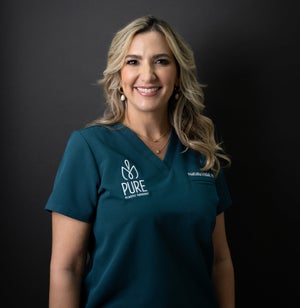
Dr. Natalia Vidal Laureano, with double board-certification from the American Board of Surgery and the American Board of Plastic Surgery, is dedicated to providing a safe, luxurious, patient-centric environment for those seeking her expertise to enhance their
Asked By: Carito29
ANSWER
Yes, it is possible to have a hysterectomy and a tummy tuck at the same time, and it has been done. However, there are a few important considerations. A hysterectomy is considered a non clean procedure, while a tummy tuck is a clean procedure, so combining them can slightly increase the risk of infection. You're also combining a laparoscopic or robotic surgery with an open procedure, which means the overall surgery time, anesthesia time, and recovery are typically longer. For that reason, I usually prefer to stage the procedures. Recovery from a laparoscopic hysterectomy is generally fairly quick, and about three months later, once the inflammation has resolved, the tummy tuck can be performed. If you do decide to combine both procedures, they are typically done in a hospital setting, so you would need a plastic surgeon who has hospital privileges and can coordinate the surgery with your OB GYN. Ultimately, the best approach depends on your health, your goals, and the recommendations of both surgeons.
Asked By: iNeedSurgeryUK
ANSWER
Based on what you're showing, it looks like you're pinching some excess tissue beneath your chin. Part of that appears to be loose skin, but there may also be a small amount of fat contributing to the fullness. Since you're young and haven't had significant weight fluctuations, I would expect your skin quality to be relatively good. To give you a more accurate recommendation, I would need to see your chin in a relaxed position rather than pinching the skin, as that allows for a better assessment of your skin elasticity and overall contour. If your skin quality is indeed good, you may be an excellent candidate for chin and neck liposuction combined with a skin tightening technology, such as radiofrequency assisted liposuction. This combination can help remove excess fat while encouraging skin contraction for a more defined jawline and neck contour.
Asked By: Sincere139802
ANSWER
I'm very sorry you're going through this. Unfortunately, at this time, there is no injectable treatment that can dissolve permanent silicone fillers. This is one of the reasons free silicone injections are not FDA approved for cosmetic use in the United States. Regarding Morpheus8, the treatment can be customized by adjusting the depth of the microneedles and the amount of radiofrequency energy delivered. At deeper settings, it can affect the fat layer, so it's important to be treated by an experienced provider who understands how to tailor the treatment to your specific concern. That said, I have not seen strong evidence supporting Morpheus8 as a treatment for silicone fillers. While it may be reasonable to discuss with a qualified specialist to see whether it could help improve contour irregularities in your particular case, there is currently no established nonsurgical treatment that reliably removes or dissolves permanent silicone.
Asked By: Trustworthy373384
ANSWER
If you have a history of keloid scarring, this is an important topic to discuss with your surgeon before surgery. That said, it's worth confirming whether your previous scars are truly keloids or hypertrophic scars, as the two are often confused and are treated differently. A board certified plastic surgeon or dermatologist can help make that distinction. If you are prone to developing keloids, they can occur anywhere the skin is healing, including around the belly button after a tummy tuck. While this is a possibility, it does not necessarily mean you are not a candidate for surgery. The key is having a proactive postoperative plan. For patients with a history of keloids, I typically follow them more closely during the healing process so that if a scar begins to thicken, treatment can be started early. Depending on the situation, options may include steroid injections, 5 fluorouracil (5 FU) injections, laser therapy, silicone scar therapy, or, in more significant cases, scar revision followed by localized radiation therapy. Early intervention often provides the best chance of minimizing scar overgrowth. I recommend having an open discussion with your surgeon about your history of scarring and the strategies they use to help prevent and manage keloids. Together, you can weigh the benefits and risks and develop a plan tailored to your individual needs.
Asked By: madisonvvvl
ANSWER
There is a rough correlation between the grams of breast tissue removed and implant volume, so you're on the right track. As a general estimate, 1 gram of breast tissue is close to 1 cc of implant volume, but it's not an exact formula. The reason is that an implant has a different shape and projects differently than natural breast tissue. Because of that, I would recommend scheduling a consultation so your plastic surgeon can take your measurements and recommend an implant size based on your anatomy and your desired result, rather than relying only on the grams of tissue that were removed.
Asked By: dawn92
ANSWER
I'm sorry you're experiencing this. Although it is uncommon, scar tissue can occasionally heal in a way that causes tightening or contracture after a labiaplasty, which may affect the appearance or comfort of the area. In general, I would not recommend fillers or fat grafting to the labia minora. These treatments are more likely to add volume than restore the natural length or shape of the tissue, so they are not typically the best option for this concern. When there is a significant loss of tissue, reconstruction may be possible using specialized techniques such as local tissue rearrangement or a skin graft. A small piece of skin, often taken from the groin where the scar is usually well concealed, can sometimes be used to help restore the labia minora. The most appropriate approach depends on the amount of remaining tissue and your individual anatomy.
Asked By: PetiteAnon
ANSWER
A body fat percentage reflects all of the fat in your body, including fat around your internal organs and the fat just beneath the skin. Liposuction can only remove fat from the subcutaneous layer, so having a body fat percentage of 20 to 23% does not necessarily mean there is enough fat available for body contouring or fat transfer. Based on your photos, you appear to have a relatively small amount of subcutaneous fat. In patients with a very lean body type, liposuction may provide only a limited amount of fat for transfer, and because the tissue layer is thinner, there is also a greater chance of contour irregularities if too much fat is removed. If your goal is a subtle enhancement of the hips or buttocks without gaining weight, ALLOCLAE™ may be alternatives worth discussing with your surgeon. These off the shelf adipose matrix products can provide modest volume enhancement for carefully selected patients who do not have enough donor fat for a traditional fat transfer.
Asked By: Powerful484505
ANSWER
Based on your photos, it appears that you already have a relatively lean frame, so there may be limited fat available for liposuction to create a significant change in your waistline. Some of the fullness along the sides of your torso also appears to come from your underlying musculature, which liposuction cannot address. If your goal is a more defined hourglass silhouette, one option is fat grafting to the hips or buttocks, provided there is enough donor fat available. This can help improve the waist to hip proportion and create a softer, more traditionally feminine contour. The amount of improvement will depend on your individual anatomy and the amount of fat that can be safely transferred. For very lean patients seeking additional waist definition, some surgeons may also discuss rib remodeling as a potential option. This is a specialized procedure that may help narrow the waist in carefully selected candidates
Asked By: Modest7557
ANSWER
Based on your photos, it appears that the irregularities on your thighs are more likely related to skin laxity than true cellulite. Avéli® is designed to treat cellulite caused by fibrous bands, which is most commonly found in the buttock area. It is generally less effective when the main concern is loose or crepey skin. When skin laxity is the primary issue, releasing those bands is unlikely to produce a meaningful improvement because it does not address the underlying cause. For patients with excess skin extending toward the knee, an extended medial thigh lift often provides the best improvement. This procedure removes excess skin through an incision along the inner thigh, extending from the groin toward the knee. Every patient is different, and the best treatment depends on your anatomy and goals. A consultation can help determine the option that is most appropriate for you.
Asked By: vctexas
ANSWER
Avéli® is a minimally invasive treatment that uses a very thin instrument with a built-in light to help your surgeon precisely identify the fibrous bands that create cellulite dimples. Because the treatment is so targeted, it affects only the specific areas being treated, with very little disruption to the surrounding tissue. Compared with liposuction, Avéli is much more localized. Liposuction treats a broader area beneath the skin, so it involves more tissue manipulation. With Avéli, any healing response is typically limited to the small treatment site. In some cases, you may notice a slight firmness if you press directly over a treated area, but this is usually subtle and not something that's visible. Overall, Avéli is designed to improve the appearance of cellulite while minimizing changes to the surrounding tissue. An evaluation with a board-certified plastic surgeon can help determine whether it's the right treatment for your goals.
Dr. Natalia Vidal Laureano has received overwhelmingly positive reviews for her exceptional surgical skills and patient care. Patients praise her professionalism, communication, and the natural-looking results she achieves in procedures such as , , and . The staff at Pure Plastic Surgery is also commended for their friendliness and attentiveness.