California Dermatology Care at Hercules
500 Alfred Nobel Dr., Ste. #185, Hercules, California, 94547

Dermatologic Surgeon, Board Certified in Dermatology
Dr.Ting is a member of the American Society for Dermatologic Surgery. His practice incorporates best and latest dermatology practice with an emphasis on preventative dermatology care including modalities to help reverse aging.

Asked By: travellingfool
ANSWER
You may get 20 different answers when you ask 20 board-certified dermatologists regarding best hydroquinone-free topical treatment for melasma. The key is to get an in person consultation where your dermatologist can custom tailor a skin care routine appropriate for your skin type maximizing use of antioxidants including vitamin C, arbutin, Kojic acid, embilica, greentea, etc.
Asked By: 4423anon
ANSWER
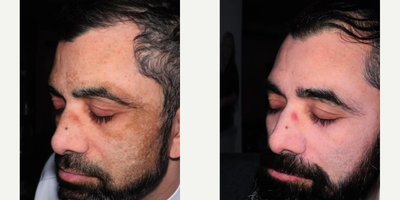
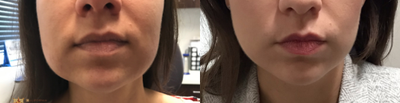
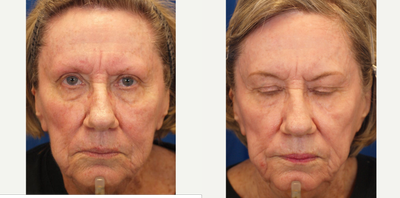
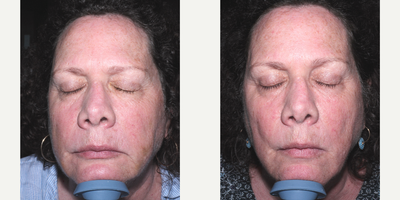
Melasma is a clinical challenge where nature and nurture matter. Your dermatologist should tailor a skin care routine appropriate to your skin type that will help to maximize clinical benefit of whatever modality you choose. Our clinic is a melasma center of excellence in the Bay Area with most comprehensive technology for melasma, even in the setting of ethnic skin including Picosure, Spectra, GenesisPlus, Clear and Brilliant lasers as well as our proprietary LumaBright, an enhanced Melanage vitamin A chemical peel. There is no one best way to treat melasma. Much will depend on your tolerance of downtime associated with LumaBright peel vs. patience required with series of laser treatments.
Asked By: Shannon1820
ANSWER
There is no question that board-certified Dermatologists and not Plastic Surgeons should be the experts that patients with melasma should seek out for clinical assistance. However, not all Dermatologists are comfortable or experienced in treatment melasma of patients of ethnic skin color. During your consultation with the clinician, you should ask to review before and after treatment photos of melasma patients of your skin type if available.
Asked By: RealSelf Admin
ANSWER
We now have enough clinical data to declare the benefit of MiraDry for underarm excessive sweating, or hyperhidrosis to be semi-permanent. On average, 50% reduction of sweating can be experienced with first treatment and 85% reduction with second treatment 3 months later. Histologic studies have demonstrated that once sweat glands have been wiped out, they are not known to regenerate.
Asked By: curiousgirl2
ANSWER
MiraDry is indicated for treatment of resistant underarm excessive sweating. Unfortunately, this procedure is not covered by health insurance carriers given fact that there is no CPT code availabe to submit for billing. However, most of my patients with Flexible Spending Account or Health Savings Account have no difficulty using these pre-tax accounts to pay for medically necessary hyperhidrosis or bromohidrosis (distinct body odor). The out of pocket expense varies from $3000 to $4000 depending on your area but the key is to select a MiraDry physician who can maximize medical therapy for hyperhidrosis as well as one who is competent and committed to take care of uncommon but possible post-treatment complication.
Asked By: tracydixon
ANSWER
MiraDry is FDA-approved for treatment of resistant excessive sweating for 18 years and above. Use of MiraDry for minors would be considered off-labelled indication and must be determined on a case by case basis. There should be sufficient fat pads in the axillae to absorb the microwave electromagnetic energy to minimize rare side effect of neuropraxia where the nerves in the treated area can be inflamed for a prolonged period of time.
Asked By: tomcat132
ANSWER
There is no doubt hat Coolsculpting absolutely works for fat pad reduction. On average, we see 25% reduction in fat pad in area treated in 3-4 months and many cases, we have seen much greater efficacy in 2-3 months. The remaining fat pads in areas treated with Coolsculpting would be in less of a position to absorb excess nutrients in case there is weight gain in the future. We have also seen patients who undergo Coolsculpting are much more motivated to stay with healthier lifestyles of minimizing carbohydrate intake and working out at least three times a week.
Asked By: blade11127
ANSWER
Post-treatment skin reaction/redness is not truly reflective of final clinical fat pad reduction. There are several variables such as Coolsculpting energy delivered, amount of superficial skin vasculature in area treated. Most Coolsculpting centers adopted the original aggressive protocol of using maximum Coolsculpting energy of 80J/cm2. We have learned from our extensive experience with Coolsculpting technology that utilizing slightly less energy than the maximum have led to equal amount of fat pad reduction with less skin reaction/redness and much less post-treatment discomfort.
Asked By: daisy3394
ANSWER
In my clinical experience, the risk of sensitivity to topical silicone gel is minimal. You most likely are experiencing sensitivity to adhesive associated with topical silicone gel application. This may be confirmed if you have experienced sensitivity to application of bandaids.
Asked By: MBSM
ANSWER
We are one of the very few clinics in California that offers both Ultherapy and Thermage and we routinely provided ibuprofen and/or intramuscular Ketorolac for pain relief and have not seen it to impact efficacy as far as lifting or skin tightening benefit of these noninvasive technologies.
Dr. William Ting is highly regarded for his expertise in cosmetic and dermatological procedures, particularly in treating acne with . Patients appreciate his attentive care and effective treatments, though some report varying experiences with results and recovery. His staff is noted for their professionalism and friendliness.