Advanced Plastic Surgery Institute - Gilbert
1981 E Bonanza Court, Suite 102, Gilbert, Arizona, 85297
Show more
Show more
Show more
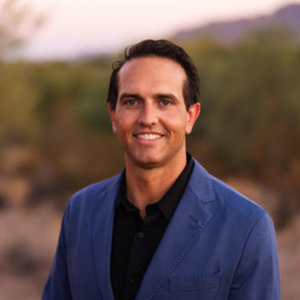
Dr. Josh Olson is a board-certified plastic surgeon based in Paradise Valley and Gilbert, Arizona. He is highly adept in all aesthetic procedures of the body, breasts, and face, but is especially known for his talents in mommy makeovers, breast enhancement, an
Asked By: newgirl14
ANSWER
The highest-risk window for small openings in your incisions—especially at the "T-junction" in an anchor/lollipop lift—is typically the first 2 to 3 weeks following your procedure. After about 3 weeks, the risk of wound dehiscence drops significantly if healing has been normal, and by about 4 weeks, the tissue strength is usually much better. However, nothing is "zero risk." If you see increasing drainage, widening redness, or sudden opening in your incisions, or experience fever or worsening pain, contact your surgeon quickly—early management can prevent a small issue from becoming a much bigger one.
Asked By: olga_daniel
ANSWER
Most patients do really well with either BOTOX or Dysport for crow's feet. They're both FDA-approved neuromodulators and, in the real world, the results are usually very similar. Dysport can kick in a little faster for some people, and BOTOX is sometimes described as being a bit "tighter" or more precise, but those differences are subtle, and not everyone experiences them the same way. The choice often comes down to patient preferences on issues such as: - Onset: Dysport may take effect a touch sooner, but both typically show noticeable change within days. - Extent: Dysport tends to diffuse a little more, which can be helpful for treating broader crow’s feet patterns. BOTOX may feel slightly more targeted in smaller or more precise treatment areas. - Longevity: Both products last about 3 to 4 months in the crow’s feet area, but it varies with metabolism, dosing, and facial movement. - Dose/conversion: Dysport and BOTOX units aren't 1:1, so "more units" of Dysport doesn't mean it's stronger. What matters more is an experienced injector who's dosing appropriately for the product. Ultimately, the brand matters far less than the skill of your injector. Always prioritize experience and a natural look over bargain shopping for the safest, most satisfactory results.
Asked By: curiousgianna
ANSWER
Once your lip filler has fully settled—usually around the 2-week mark—normal daily movement, such as talking, smiling, and drinking from a straw, will not meaningfully affect how long your results last. It is true that lip fillers tend to wear off sooner than fillers placed in lower-movement areas of the face, simply because the lips are very active and have a higher metabolic turnover. However, this is related to the anatomy of the area, not specific habits like using a straw. In the first few days after treatment, I do recommend being gentle. If your lips are very swollen or tender, avoid aggressive puckering and suction and follow your injector's instructions on massage (if any), icing, and activity restrictions.
Asked By: Cheerful141788
ANSWER
A breast lift (mastopexy) is primarily a shape-and-position operation that mostly removes skin and reshapes internal tissue. Little to no breast tissue is removed unless excess tissue needs to be reduced for better shape or symmetry. If your main goal is "same volume, just higher," that's usually achievable with a breast lift alone. If you want to be smaller, then the discussion would include tissue and fat removal as part of a larger breast lift and reduction plan.
Asked By: patsta1998
ANSWER
When performed by a properly trained, board-certified plastic surgeon in an accredited facility with appropriate patient selection, abdominal liposuction is generally safe. However, it's still surgery, and the risk increases with larger volumes of fat, higher BMI, smoking, and certain medical conditions. As far as pain goes, you will be comfortably anesthetized during your procedure. Most patients describe feeling very sore, as if their muscles are bruised, rather than experiencing sharp pain. The first several days usually bring the most discomfort, which typically improves over 1 to 2 weeks; however, it may take several weeks for soreness and swelling to settle fully.
Asked By: saud82
ANSWER
How quickly you can wear your glasses again depends on what was done during your rhinoplasty, especially whether the nasal bones were moved. Some surgeons allow very lightweight glasses to rest on the splint because the splint can help distribute pressure. Other surgeons prefer no pressure on the bridge at all, even with the splint in place, so this is one you should follow your surgeon's specific instructions on. Once the splint comes off (often around a week), most patients need a workaround—contacts, taping glasses to the forehead, or a support device—until they're cleared to put weight on the bridge again. That clearance can be as early as a few weeks in simpler cases, but it's often 4 to 6+ weeks if there was significant bony work done. If you feel tenderness or see indentations where the glasses sit, that's your cue to offload pressure and check in with your surgeon.
Asked By: karleesomers
ANSWER
Great question! Scar behavior is a mix of biological factors, healing mechanics, and how well the incision is protected while it heals. Some people are simply more prone to noticeable scarring than others. Scars also tend to be more stubborn when there's more tension on the incision, reduced blood supply (nicotine is a big culprit here), or a lot of sun exposure during healing. If someone is scar-prone or worried about visibility, I like to plan proactively—silicone, sun protection, and early follow-up—rather than waiting until a scar has already matured. If you're unhappy with how a scar is healing, treatments like laser resurfacing, microneedling, and medical-grade scar care can often improve texture and reduce redness once the incision is fully closed and the skin has healed. Still, these measures usually can't erase a scar completely.
Asked By: mfourie51
ANSWER
Not necessarily. Whether implants "sag" over time usually has more to do with your skin elasticity and existing amount of breast tissue than whether the implant is placed over or under the muscle. Implant placement does tie in with how the breast ages around the implant, though. A pattern we sometimes see is what surgeons call a "waterfall" (or "snoopy") effect, where the implant stays relatively stable, but the breast tissue and skin gradually settle and drape over it. When this happens, the fullness looks higher while the natural breast sits lower. So the best "anti-sag" strategy is less about chasing the "perfect" placement and more about matching the plan to your body. This means choosing an implant size/weight that your tissues can support. If you already have laxity or nipple droop, consider a lift at the same time, so everything starts in the right position.
Asked By: Timmy0778
ANSWER
There’s no reliable evidence that a breast reduction increases breast cancer risk. In fact, some research suggests the risk may be slightly lower after reduction, possibly in part because there's less breast tissue overall. But I wouldn't want anyone to hear that and think it replaces normal screening—it doesn't. A few practical things to keep in mind: - Keep up with routine screening based on your age and personal risk (mammogram, and sometimes ultrasound or MRI). - Most surgeons send the tissue removed during breast reduction surgery to a pathologist as a precaution. Most of the time, the results come back completely normal, but it's a reassuring safety step for many patients. - Mammograms can look a little different after surgery because the internal architecture of the breast changes. Radiologists see post-reduction breasts all the time—just make sure your imaging center knows you've had the procedure. If you have a strong family history of breast cancer, dense breasts, or a known genetic mutation, it's worth a quick conversation with your primary care doctor (and sometimes a breast specialist) so your screening plan is tailored to you, not the average person.
Asked By: vasselina24
ANSWER
Having muscular glutes doesn't automatically make a BBL unsafe. The biggest safety issue is where the fat is injected. To reduce the risk of fat embolism, a rare but serious complication, the fat should be placed in the subcutaneous fat layer above the muscle, not into or under the muscle. If you're assessing BBL safety, I'd focus on: - Surgeon training and experience specifically with BBL - Surgical technique and adherence to modern safety standards, such as the plane of injection and cannula control - Appropriate surgical setting, anesthesia team, and postop monitoring Also, very athletic patients sometimes have limited donor fat. In those cases, expectations matter: The goal may be refinement and shaping more than a dramatic change in volume.
Dr. Josh Olson is highly regarded for his expertise in cosmetic procedures such as , , , , and . Patients consistently praise his professionalism, attention to detail, and the positive outcomes of their surgeries. His ability to communicate effectively, his caring nature, and his thorough guidance contribute to a comfortable and reassuring experience for patients.