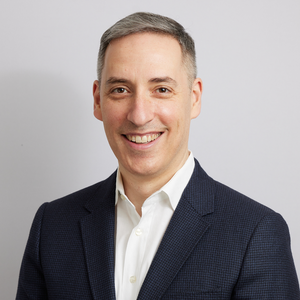
Jonathan Huber, MD
Verified
Destination Doctor
Hair Restoration Surgeon
Hair Restoration Surgeon
Show more
Dr. Huber is the only surgeon to complete his training in medical and surgical hair restoration under the direct guidance of Dr. Robert Jones, one of the world’s leading hair restoration surgeons. Dr. Huber has since partnered with Dr. Jones (2018) and Dr. Ash
Asked By: tm1900
ANSWER
There are several factors that lead to optimizing success in a hair transplant, and some of those factors are different for individual patients. This is why one of the most important factors is selecting a knowledgable, experienced doctor who is really dedicated to hair RESTORATION, rather than just hair transplantation. Restoration may include transplantation, non-surgical treatments, or a combination of both. Some factors contributing to a successful outcome include: 1. Patient selection. Several aspects individual to a given patient are important in a good outcome, such as the available yield in their donor area, their degree of hair loss, and their expectations. For example, a patient with very advanced hair loss and a poor donor area hoping for thick, full scalp density with a hairline of a 20 year old is going to be disappointed in the outcome, no matter what was promised to them. 2. Patient expectations. A patient should have realistic expectations of what hair restoration can achieve for them. Being dishonest with yourself about what can be achieved will lead to a disappointing outcome. 3. A skilled surgeon. Surgical skill can make a difference in hairline design, healing, graft survival, graft placement, density, and patient selection and expectations. 4. A skilled team. Hair transplant surgery is a team sport, with everyone contributing something important. An inexperienced team, or a team that is not invested in your outcome, can lead to a sub-optimal result. 5. Attention to supportive non-surgical treatments. Ongoing hair loss, and the lack of effort in restoring existing hair, can lead to an overall poor result, especially with time. Your hair transplant surgeon should discuss these non-surgical options with you in detail so you can make an informed choice. There are many more factors, too numerous to list here. My general recommendation is to choose an experienced doctor who's practice is dedicated solely to all aspects of hair restoration. Ask some basic questions about their approach to hair restoration and go from there.
Asked By: johnggg1
ANSWER
Without having examined you or having seen any pictures, you may find that finasteride is more helpful than you think. As you know, finasteride cannot regrow follicles that are completely dead or absent, but it can reverse the thinning in existing follicles, even if those hairs are so thin that you can barely see them. Finasteride is more likely to reverse thinning in the follicles that have most recently become thin, so if some of your hair loss was experienced in the last 5 years or so, you may regain some of that density. Although you describe yourself as a NW6, you may have enough miniaturized hair that finasteride can make a visible difference. Furthermore, it may prevent you from progressing to a NW7. If you tolerate finasteride well, it is an inexpensive medication that may make a difference for you. Keep in mind you should try it for at least a year before determining if it works for you.
Asked By: cantrollmyrs
ANSWER
Assuming you have a good donor area (which is not pictured), adding follicles to your beard and/or hairline is possible. The extent to which you'd be able to reconstruct your hairline and/or beard depends on how many follicles can be safely harvested from your donor area and to what degree you want to make cosmetic changes.
Asked By: shanug92
ANSWER
There's no one right answer to this question, because every individual has different needs and goals. However, the optimal time to proceed with a hair transplant is after your hair loss has stopped, or at least significantly slowed, one way or the other. Waiting until this happens naturally is the worst way to do this because you have no idea how much hair you'll lose. It may take years, and you may reach a point where you've lost more than you can restore with a transplant. The ideal way to do it is to be as aggressive as you can in halting your hair loss with non-surgical therapies, thereby maintaining as much of your own hair as possible, and minimizing the amount you'd need to restore with surgery. You've tried finasteride, but that's only one option. Other options include minoxidil, low level laser therapy, and PRP. All of these are effective, evidence-based options, and you can even use them in combination with each other for even greater efficacy. Once your hair loss is stable on a regimen that you can confidently continue on an ongoing basis, which may take up to a year, that would be a good time to consider a transplant.
Asked By: cantrollmyrs
ANSWER
IPL uses light and heat to destroy hair follicles to prevent regrowth. If the follicles are successfully destroyed, there is no therapy that can regrow them. You will need a hair transplant to restore density to your beard.
Asked By: MissTeee
ANSWER
As a rule of thumb, it takes about 150 - 200 grafts to lower your hairline by about 1mm. To lower your hairline by 1cm, therefore, might need in the vicinity of 1500 to 2000 grafts.
Asked By: Creative7966
ANSWER
While no can predict the outcome in someone with MPD/androgenetic alopecia with 100% certainty, it is very likely that if you use multiple therapies tp prevent hair loss at this early stage, you'll be successful in warding off significant hair loss going forward. Each of PRP, minoxidil, and low level laser therapy - on their own - have good efficacy in at least maintaining existing hair. In combination, that efficacy is even greater. By using different therapies with differing mechanisms of action, you are "covering your bases". Improvement is more likely in some areas than others. Medical therapies can restore miniaturized hair, but they will not regrow follicles that have completely died. Furthermore, hair is the crown is more amenable to regrowth than the hairline. With combination therapy, you have a greater than 50% chance of seeing some degree of improvement in the crown. You may see some thickening of the existing hairline, but medical therapy is unlikely to restore your hairline to its previous shape. Given your age and stage, I would recommend starting with at least one year of combination medical therapy before considering a hair transplant. You may never need one.
Asked By: Trichotrophy
ANSWER
Having run-of-the-mill dandruff will not affect your transplant result. However, if your dandruff has not cleared up with anti-dandruff shampoos, you might consider seeing a dermatologist to rule out other conditions, even if you don't have classic symptoms of something else.
Asked By: rick03912
ANSWER
If you're willing to commit to a lifetime of treatments to help you keep your hair, you may be a good candidate to start the transplant process. Although you say that you'd be willing to have multiple transplants over your life, that's not really up to you; its up to the total number of follicles that can be safely harvested from your donor area. Starting hair transplants in your mid-20s also means a commitment to managing your total donor pool so that you don't run out of donor hair before you've completed your restoration. A good way to start the transplant process at this age is to commit to transplanting only the very key cosmetic areas, typically towards the frontal scalp. At the same time, doing more to optimize/regrow your crown, such as by adding laser therapy or PRP. In other words, it means doing as much as you can to regrow as much of your own hair while minimizing the amount you need to dip into your donor pool, leaving behind as much as possible for the future.
Asked By: Nice308512
ANSWER
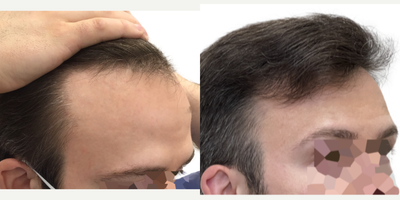
Neither medication nor PRP will promote hair growth in scar tissue, given that the scar does not contain follicles. If your FUT wound was closed with a trichophytic closure, hairs in the lower layer may poke through the scar tissue to conceal it, but generally speaking scar tissue does not contain follicles. Your options for concealing your scar are: 1. Scalp micropigmentation. This is effective, but ultimately temporary and likely will need to be repeated every few years, assuming you go to a skilled artist. 2. FUE grafts directly into the scar. This will place follicles in the scar tissue which will then grow hair. See link for an example case.
Dr. Jonathan Huber is highly regarded for his expertise in procedures, including FUE and FUT. Patients consistently praise his professionalism, thorough communication, and the high-quality results of his surgeries. The clinic's supportive and efficient staff, along with Dr. Huber's personalized care, contribute to a positive and comfortable patient experience.