Show more
Show more
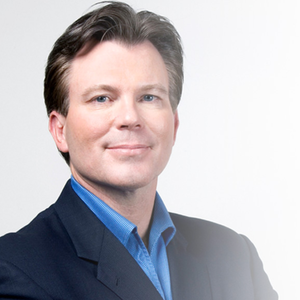
Dr. Corey S. Maas, MD, is a leading facial plastic surgeon with 30 years of experience. Both of his offices in San Francisco, the Maas Clinic and the Appearance Care Center, offer various the very best in facial cosmetic surgery including facelift, rhinoplasty

Asked By: Inventive7319
ANSWER
There are several options available to you at age 42 that may be considered, all FDA approved. Sofwav, Utherapy, maybe Kybella or Coolsculpting and even loliposuction under the chin (submental lipo) could work but on your photos, it looks more like a predominate skin problem (not fat). You need to see a surgeon to give you all of your options, show what each might provide, so that you can make an informed decision.
Asked By: jmpjmpjmp
ANSWER
In your case their may be problem but generally the healing and changes are not over until one year. I suggest you to be forthright about the appearance of your nose relative to the features you wanted. Tell the surgeon how you feel. Your surgeon has recorded your desired appearance in your chart and/or with photo morphing (changing your nose to on the computer). In my experience (over 3000 nose surgeries) about 1/3 of those revision rhinoplasties. When they come to me right after surgery, patients are frustrated if 1) the desired result was not achieved as recorded before the surgery, there is an undesirable result with bumps or asymmetries AND 3) the surgeon disagrees with the patient on the outcome. Have the surgeon show you before the before and after results or read the goals to you. If your surgeon agrees and asks you to wait and reassures you that they will do their best to achieve a result AND you trust the your surgeon, then you should listen and wait. If your surgeon is unable “to see” your concern or tells you it is what you wanted and it is clearly not a desirable result, you would be justified in seeking a second opinion. Remember, this will cost you more money, and only your surgeon has seen and understands your anatomy…still you have to trust your surgeon if a revision is being considered.
Asked By: youngfacelift
ANSWER
From the limited views you have provided, top refinement including improving a hanging infratip lobule and refining the tip would be helpful. You might consider updating your submission with a lateral view.
Asked By: suzyjane8
ANSWER
He simplest and most reliable way to fix this is to have a good surgeon use a drop of local then a moderate sized needle to poke and express the excess material.
Asked By: kdehn
ANSWER
Unfortunately there is not a simple answer to your question. It will depend on how many times treated, presence or absence of scar tissue, and which filler was used…the last being most important. Depending upon what was used and where, most patients will be able to get this resolved without surgery. Based on your lip anatomy, a lip lift would be a much better and more suitable long term option after the visible filler and/or scar tissue is managed. is
Asked By: ashd18
ANSWER
I enclosed a link below of a quick graphic showing you some small improvements that are significant. Please see my videos at drmaasdotcom and feel free to call with questions. You of course have stated you are 18 and have posted these pictures as your images are protected by privacy laws and posting them, of course, is very generous and kind of you as so many people have similar conditions and feel “afraid or private”. It’s ok to feel that way and we honor their wishes, but the more people speak out and ask questions and share their images, the more everyone understands these procedures. I have shared via link some images that are close to what you might expect as outcomes. I did not spend a lot of time on them but get the idea. See Dropbox link and my video introduction. Sincerely, CSM
Asked By: dchri5
ANSWER
It is great that you have taken the time to learn some anatomy however, this deformity is clearly more than just alar cartilage weakness. The ability to compress your entire tip suggests real deficiency in your nasal septum strength or even prescience (after surgery). At a minimum you will need a strong graft between the two Alar cartilages at the nasal tip and possible more. This is not difficult with an experienced facial plastic and Rhinoplasty surgeon. Ask the surgeon how many they done, now many in the last week and month and listen carefully for a logical and confident plan of action. If the only solution offered is a cartilage graft from your rib cage, try to find and qualified surgeon that does not limit your options to only this over used procedure.
Asked By: Elisheva123
ANSWER
You are correct in understanding that the more basal revision surgeries you undergo, the lower the predictability of outcome in general. However, (and without reviewing your records), over grafted noses or noses that are too large are much safer and more predictable then the over respected and under supported noses we more commonly see. Two pieces of advice. #1 find a facial plastic surgeon that has performed thousands of rhinoplasties and at a least 1/3 revisions. And #2 get more than one consultation and demand to in diagrams or computer imaging what the surgeons believes the cause of this deformity and how he or she would address the problem. Travel may be necessary. You are NOT hopeless!
Asked By: snigg2
ANSWER
With the photo shown and no ruler or way to measure the amount of surface area, it is not possible to give an accurate estimate. However, if your head is average size and you really want a hairline that appears this low (normally I use 9 cm from the glabella - in between eyebrows as a reference point in hairline restoration)…it does appear to be 2000 follicular unit grafts or more. 10-15 grafts per sq cm.
Asked By: Amanda2901
ANSWER
Small excision of scars following lip lines (pursing lines) while assuring there is no lining tissue (mucosa) left trapped below the skin surface can be performed in office.
Mention RealSelf to redeem.
$50 off Botox when you mention RealSelf
Free Consultation when you mention RealSelf
-Mention RealSelf for this offer.
Dr. Corey S. Maas is praised for his expertise, natural results, and compassionate care. Patients highlight his attentive approach, detailed explanations, and ability to deliver refreshed, natural-looking outcomes across various minimally invasive and surgical procedures. His office staff is noted for being accommodating and supportive throughout the process.