Posted underQuickLift q&a
Answers (11)
From board-certified doctors and trusted medical professionals
Dr. William Portuese, MD
Dr. William Portuese, MD
Board Certified Facial Plastic Surgeon
Answer
Dr. Gregory Pisarski, MD, FACS
Dr. Gregory Pisarski, MD, FACS
Board Certified Plastic Surgeon
Answer
Dr. Jed H. Horowitz, MD, FACS
Dr. Jed H. Horowitz, MD, FACS
Board Certified Plastic Surgeon
Answer
Dr. Larry S. Nichter, MD, MS, FACS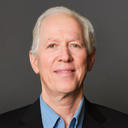
Dr. Larry S. Nichter, MD, MS, FACS
Board Certified Plastic Surgeon
Answer
Dr. Afshin Farzadmehr, MD
Dr. Afshin Farzadmehr, MD
Dermatologic Surgeon, Board Certified in Dermatology
Answer
Dr. Sreekant Cherukuri, MD
Dr. Sreekant Cherukuri, MD
Board Certified Otolaryngologist
Answer
Dr. Laxmeesh Mike Nayak, MD
Dr. Laxmeesh Mike Nayak, MD
Board Certified Facial Plastic Surgeon
Answer
Dr. Samer W. Cabbabe, MD
Dr. Samer W. Cabbabe, MD
Board Certified Plastic Surgeon
Answer
Dr. Francis R. Palmer, III, MD (retired)
Dr. Francis R. Palmer, III, MD (retired)
Board Certified Facial Plastic Surgeon
Answer