Show more
Show more
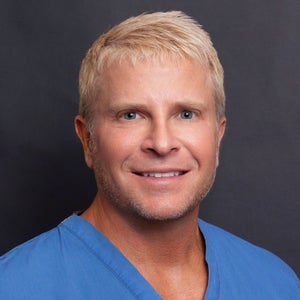
Dr. William Groff is a board-certified dermatologist specializing in cosmetic dermatology and laser surgery for over 20 years and is considered a renowned authority on face and body rejuvenation. Dr. Groff is recognized as an acclaimed expert with laser proced
Asked By: ar1809
ANSWER
Prominent hand and arm veins can be challenging to treat directly, and I would be cautious about procedures that permanently close normal veins in these areas. Sclerotherapy is commonly used for leg veins but is not routinely recommended for the hands or arms because these veins may be important for circulation and future medical access. For the hands, Radiesse or another carefully selected filler can restore volume and make veins and tendons less noticeable. Lasers may also improve accompanying sun damage, redness, and skin texture, although they will not remove deeper veins. An in-person examination is necessary to determine the safest treatment based on the size and location of the vessels.
Asked By: mc1989
ANSWER
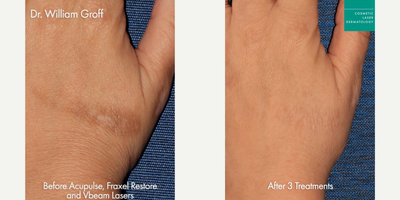
Yes, several treatments can improve the appearance of aging hands. Injectable treatments such as Radiesse can restore lost volume and help soften the visibility of veins and tendons. We also offer multiple laser treatments that can address brown spots, sun damage, redness, and uneven skin texture. The best results often come from combining volume restoration with laser-based skin rejuvenation. An in-person evaluation would help determine which concerns are caused by volume loss, visible vessels, or sun damage and create the most appropriate treatment plan.
Asked By: skinneedsimprovement
ANSWER
Neuromodulators are important for relaxing the muscles that repeatedly create the glabellar crease, but they may not fully correct a deep line that remains visible at rest. In that situation, fractional laser resurfacing may help remodel collagen and gradually soften the etched crease. Filler may occasionally be considered, but the glabella is a high-risk vascular area and should only be treated very conservatively by an experienced injector. A combination approach often produces the best improvement.
Asked By: Imaginative237007
ANSWER
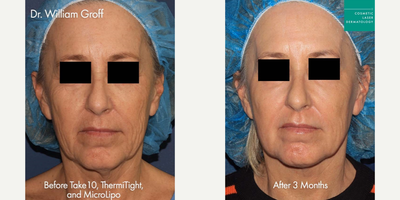
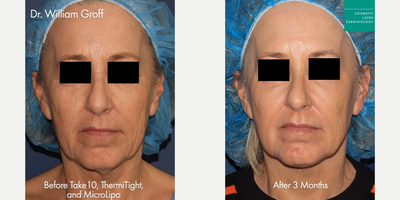
You look like you’re a very good candidate for a Thermitight with micro Lipo. I would also consider adding some Voluma to the chin for better projection. Check out my before and afters on Realself or Instagram @drwilliamgroff
Asked By: askingforafriend2021
ANSWER
Hi- I perform laser resurfacing almost every day for the past 20 yearsand I can assure you that general anesthesia is totally unnecessary. I typically use the light IV sedation in combination with topical anesthesia and nerve blocks to make patients very comfortable during the procedure. Please feel free to review my before and after‘s on real self and Instagram. You will see that you can get amazing results and you never need to go under general anesthesia for this procedure.. I hope this helps.
Asked By: arprers
ANSWER
Yes, a CO2 laser can address thick skin on the nose in some situations. I frequently use this laser to treat a condition known as rhinophyma, which is characterized by thickening skin and deformity of the nasal tip. I encourage you to schedule a consultation with an experienced, board-certified dermatologist with expertise in laser techniques. Through a personal assessment and discussion of your specific concerns and goals, your doctor should be able to recommend a customized treatment plan that will produce the best results for you.
Asked By: Forceful633158
ANSWER
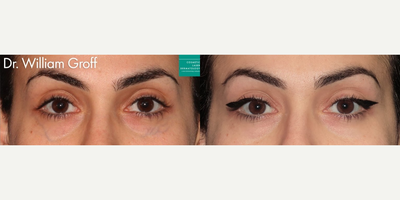
Thank you for your question. I often use a CO2 laser to refresh the area under the eyes. This is a very effective method of skin rejuvenation - for the right concerns. In your case, I'm not sure laser resurfacing would produce the desired result. I recommend scheduling a consultation with an experienced, board-certified dermatologist for further assessment and treatment recommendations.
Asked By: MandeeMarie
ANSWER
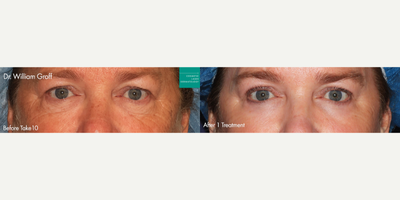
Recovery from a laser treatment under the eyes can vary significantly based on the amount of correction needed and the aggressiveness of the procedure. I work with more than 50 laser and light devices, often combining them in a proprietary treatment I call the Take 10. This technique offers very good improvement under the eyes, with about two weeks of recovery time. Results can be both dramatic and long-lasting when performed by an experienced, board-certified dermatologist with expertise in laser devices.
Asked By: mo_westfall
ANSWER
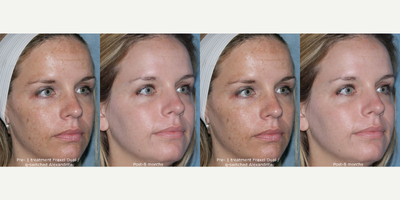
Thank you for your question. I regularly use both the UltraPulse Encore and the Fraxel devices in my practice. The UltraPulse can be used for ablative procedures, which work by precisely removing layers of dermal tissue. As the underlying skin heals, it becomes softer, firmer, and more youthful. This procedure requires 1-2 weeks of downtime, which will include redness, swelling, tenderness, flaking, and crusting as the skin heals. Fraxel lasers provide fractional treatments that create micro-channels in the skin, leaving surrounding skin and tissue intact. This allows the laser to work deeper into the dermal layers with minimal downtime afterward. The micro-channels stimulate collagen production, creating smoother, firmer skin from the inside out. While downtime after this procedure is limited, the results are not as dramatic or long-lasting as an ablative treatment. Many patients also require a series of treatment sessions to achieve the best possible results. I recommend scheduling a consultation with an experienced, board-certified dermatologist for a personal assessment and customized treatment plan that will meet your needs and goals best.
Asked By: Angelo Vaddoni
ANSWER
Downtime after a laser treatment varies based on the aggressiveness of the treatment and how quickly the body heals. Fractional laser treatments work by creating micro-channels in the skin to stimulate the body's natural healing processes without damaging surrounding skin and tissue. While these procedures can work into deeper dermal tissue than ablative lasers, downtime is much shorter since much of the tissue in the treatment area is left intact. Depending on the depth of the treatment, patients can expect a few days of redness, tenderness and swelling. Deeper treatments also cause some flaking and peeling a few days after the procedure, which can last 2-3 days in most cases. Ablative lasers precisely remove entire layers of dermal tissue, necessitating more healing and a longer recovery process. Redness, swelling, and tenderness are more intense after the procedure, and flaking can be accompanied by some crusting and oozing as the skin heals. These treatments may require 1-2 weeks of recovery time, but the results will be more dramatic and last longer than fractional treatments. No matter which procedure you undergo, make sure it is performed by an experienced, board-certified dermatologist to ensure the best possible outcome.
Mention RealSelf to redeem.
First Time Customer Discount. Enjoy 15% off your first time shopping with us on our online skincare store: clderm.com/medical-grade-skincare-store/. Disclaimer: *Promotions cannot be combined with other discounts. Prescription products are not included. Valid only on first time purchases
Dr. William Groff is consistently praised for his expertise, compassionate care, and attentive approach to patient needs. Patients highlight significant improvements in skin texture, scar reduction, and body contouring following procedures like , , and . The staff is noted for their friendliness and professionalism, contributing to a positive overall experience.