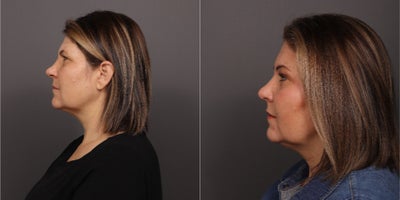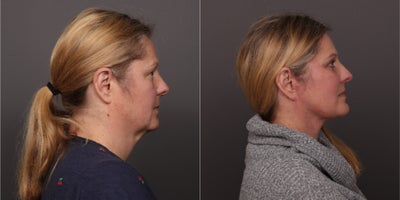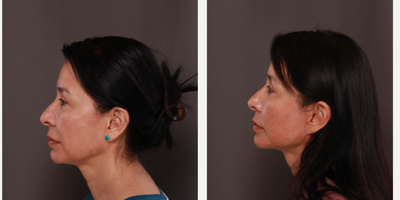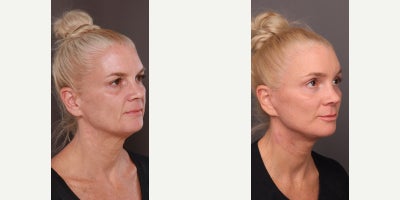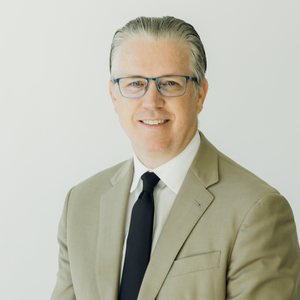
Dr. Henstrom is a double board-certified facial plastic and reconstructive surgeon and head and neck surgeon (otolaryngology). Dr. Henstrom joined Utah Facial Plastics in early 2017 after careful selection by Dr. Thompson based on his impressive credentials, e
Asked By: deank
ANSWER
Yes, that is the general consensus and certainly recommended for best and longest lasting results. Look at it this way, after having gone through a hair transplant procedure, and all that it entails, you will want to do everything you can to maintain the hair you have. This is true whether it's the natural hair or transplanted hair. The finasteride will certainly have more effect on the hair that is more predisposed to loss, but newly grafted hair can benefit.Sincerely,Dr. Doug Henstrom, Utah Facial Plastics
Asked By: SethTH
ANSWER
While not an absolute contraindication, blood thinners can make a hair transplant more difficult because of the increased bleeding. A case like yours can be undertaken safely, especially if the number of grafts needed is relatively low. Excessive bleeding on the scalp at the time of transplant will certainly slow the process down, and take longer, but it can be done. One of the other considerations for you is your age, overall goals, and possible expected hair loss based on family history. Happy to discuss further if your interested.Sincerely,Dr. Doug Henstrom, Utah Facial Plastics
Asked By: Generous845411
ANSWER
It is generally recommended to stop oral Minoxidil at least a week before your hair transplant and it's mainly due to the fact that it can increase blood flow to the scalp that can cause increased bleeding at the time of the procedure. While it's not absolutely required to stop it, and the procedure can certainly be done with people on it, we routinely have our patients stop using it for that reason. Your surgeon may have different experience with patients on minoxidil at the time of their transplant than myself, but not uncommon to stop it. The good news is that the half life of minoxidil is very short and can get out of your system very quickly.Good luck with your hair transplant.Dr. Doug Henstrom
Asked By: Andolini91
ANSWER
Yes, hair transplant would be a possibility for you to try to balance and achieve better symmetry in the hairline. A thorough consultation with a hair transplant specialist is warranted, and a discussion of hair health (loss, changes in the hairline, family history and expectations of hair loss) is important to finalize any decision regarding potential hair transplant, especially in younger patients such as yourself. Sincerely, Dr. Doug Henstrom,
Asked By: percheme
ANSWER
In my opinion it would be fine to move forward with other facial surgery that you've outlined at this point. While the nose is still healing, it is stable and your face itself is ready. Of course it is important that the surgeon who is performing the facial surgery is aware of your previous rhinoplasty and where you are in the healing process, so that all steps necessary are taken to protect your nose during the surgery on the rest of your face. All the best, Dr. Doug Henstrom, Utah Facial Plastics
Asked By: cauliflowerisaflower
ANSWER
It is not uncommon to have both of these procedures done at the same time. While certainly not the best or right option for some patients, it does work and can be done for those who do need more of a vertical lift at the midface/cheek area. Part of that will depend on the extent of the descent of the tissues of the cheek and malar area, and the best way to lift them to the more youthful anatomic area. Part of it will depend on which physician you see and how they treat things.Best of luck.Dr. Doug Henstrom, Utah Facial Plastics
Asked By: 033198
ANSWER
While this is not typical for every facelift patient, it can happen. It is usually associated with underlying causes, the most common being Rosacea. While it may have been subclinical or not diagnosed before your surgery, the inflammation from the facelift surgery may have made it more active and noticeable. Best recommendation is to follow up with your facelift surgeon, or with a dermatologist to fully evaluate for the cause of the flushing. There are other possibilities that they obviously would also consider. Best of luck, Dr. Doug Henstrom, Utah Facial Plastics
Asked By: miffra
ANSWER
Yes, once healed you will be able to return to all your normal activities. The timing of the return to some of these activities will depend on how much you have done to your nose, and your rhinoplasty surgeons' recommendations. All the best.
Asked By: Witty219494
ANSWER
The vast majority of rhinoplasty surgeons will offer to do imaging on your nose in one way or another. If interested, you should schedule an appointment to discuss your desires and let your rhinoplasty surgeon fully examine your nose so that an accurate imaging assessment may be done. To do imaging well, a rhinoplasty surgeon has to take into account many factors, including the functioning of the nose, and a full exam is necessary to do that. From there, the morphing of images of your nose can most accurately be done.Best of luck.
Asked By: kirstenjermain
ANSWER
It is very very difficult to add filler to the nose and end up making the nose look smaller. When adding filler it will always add volume and if anything it tends to make a nose look larger in the areas it is added. Your best overall affect would be with a reduction rhinoplasty to help deproject the nose and slim down the tip and bridge of the nose. It would be enhanced and balanced even further with a chin implant to help give you more protrusion of the chin. I'd advise a consultation and full evaluation with a face/nose expert. Best of luck from Utah Facial Plastics.
Mention RealSelf to redeem.
Save each time you visit UFP Aesthetics when you sign up for a membership. Consider it more of a loyalty program where you bank, budget, and maximize your benefits with UFP! Visit our website to see details.
Dr. Douglas K. Henstrom is highly regarded for his expertise in plastic and reconstructive surgery. Patients consistently praise his professionalism, expertise, and compassionate care. His procedures, including , , , , , , , , and , have yielded excellent results, with many patients reporting significant improvements in their appearance and quality of life. Dr. Henstrom's ability to listen, explain procedures thoroughly, and provide a comfortable environment for patients is frequently highlighted in reviews.