Goretti Ho Taghva, MD, FACS
Verified
Destination Doctor
Board Certified Plastic Surgeon
Newport Beach, California|
(949) 867-7724
Board Certified Plastic Surgeon
Show more
Show more
Show more
Dr. Goretti Ho Taghva is a board-certified, Ivy League-educated reconstructive and plastic surgeon in Newport Beach, California. At her Orange County plastic surgery practice, LEA Plastic Surgery, Dr. Ho Taghva performs conventional and aesthetic procedures, a

Asked By: Celebrated894444
ANSWER
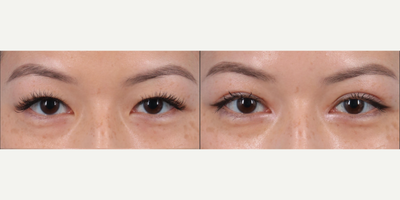
Yes, the concern you have about wide-set eyes can be addressed surgically. The procedure you're referring to is known as medial epicanthoplasty. This surgery is often performed alongside Asian double eyelid surgery but can also be done independently. Medial epicanthoplasty involves the modification of the medial canthal area to elongate the appearance of the eyes. By doing so, it effectively reduces the intercanthal distance, making the eyes appear closer together. This procedure can be a suitable option for individuals looking to make their epicanthal folds appear less pronounced, or to alter the spacing of their eyes, making it a potentially viable solution for your concerns about wide-set eyes. However, as with any surgical procedure, it's crucial to consult with a board certified plastic surgeon who is experienced in such procedures to discuss the risks, benefits, and feasibility in your specific case.
Asked By: fbueller
ANSWER
In Asian double eyelid surgery, the necessity of muscle excision depends on the specific muscle and surgical technique. For the orbicularis oculi muscle, a small slip is usually excised in the incisional method to create a more defined crease, but it's not removed in the suture technique. Regarding the levator muscle, crucial for ptosis surgery, it's typically not excised. Instead, the levator's aponeurosis is adjusted to enhance eyelid elevation while preserving the muscle fibers. The decision between muscle excision and other techniques should be made with an experienced board certified surgeon, balancing the goals of achieving a desired aesthetic result with maintaining eyelid functionality.
Asked By: alltoooowell
ANSWER
It is indeed true that the incision line and the eyelid crease might not align exactly due to the dynamic nature of eyelid structures and the way skin stretches and heals. The eyelid is a complex, moving part of the body, so the positioning of the crease post-surgery can vary slightly from the incision line. However, generally, these two should be close to each other for a natural look. My personal preference is to have the lateral part of the incision align closer to the crease because of how the natural eye contour slopes down naturally towards the lateral ends, which would create visible flaring at the lateral ends of the incisions if the incision is placed too high. It's important to communicate your aesthetic preferences and concerns with your surgeon, as they can tailor the surgical technique to meet your specific needs and desired outcomes.
Asked By: KatieColo
ANSWER
Don’t stop smiling, you have a genuinely beautiful smile on your photo! I understand your concerns about the wrinkles and skin folding under your eyes, but that can be addressed. Given your history of upper and lower blepharoplasty and regular Botox treatments, you're certainly proactive about your appearance, which is commendable. However, Botox may not be able to address the skin excess issue effectively. A potential solution could be a lower blepharoplasty, possibly combined with a mid-face lift. This procedure, performed through the lower blepharoplasty incision, can help in tightening the skin and reducing the appearance of wrinkles and folds. Additionally, a nanofat transfer, which involves using your body's own fat to improve skin quality and add subtle volume, might also be beneficial. Laser resurfacing treatments are another option to consider. These treatments can improve skin texture and stimulate collagen production, which may help in reducing the appearance of wrinkles. However, it's important to set realistic expectations, as the improvement from laser treatments might not be as drastic as surgical interventions. Consulting with a qualified board certified plastic surgeon can give you a better understanding of the most suitable options for your specific case. They can guide you through the choices, ensuring that you make an informed decision that aligns with your goals. I wish you all the best in finding the right solution that allows you to smile freely and confidently again!
Asked By: Caring738154
ANSWER
Thank you for sharing your concerns regarding your incisional double eyelid surgery. I understand how distressing it can be when a surgical outcome doesn’t meet your expectations. Based on your description, it seems unlikely that the triple fold is a result of the fat graft. It's more probable that it’s due to the asymmetric incision and/or pretarsal fixation technique performed during the surgery. These factors are crucial in determining the final appearance of the eyelid, and asymmetry in these steps can lead to uneven results. While it’s normal for there to be some degree of swelling after such a procedure, prolonged swelling usually resolves over time. In your case, if the triple fold is indeed a result of the surgical technique rather than swelling, it's unlikely that it will improve significantly with time. Hence, waiting until May 2024, as advised by your clinic in Korea, is a reasonable approach. This will give your body ample time to heal fully and will provide a clearer picture for any potential revision. Should the issue persist, seeking a revision surgery seems to be the most plausible course of action. It's important to remember that, although we strive for perfection, revision surgeries are sometimes necessary in the field of plastic surgery, especially bilateral structures on the face! I empathize with your situation and understand the anxiety and uncertainty that comes with it. I wish you all the best for your healing journey and hope that your revision surgery, if needed, will bring you the results you desire.
Asked By: MumAY1
ANSWER
Thank you for your question, and I understand your concerns regarding fat grafting after a deep plane face and neck lift. As a plastic surgeon who routinely performs these procedures, I can assure you that fat transfer is a very safe and effective method to enhance facial contours, especially in cases like yours. After significant weight loss, it's common to experience a loss of facial volume, leading to a gaunt appearance. Fat grafting aims to restore this lost volume and bring back a more youthful and natural fullness to the face. When we perform facelifts, the primary goal is to tighten and reposition sagging skin. However, this can sometimes lead to a flattened appearance in the midface area. Fat grafting is an excellent adjunct to counter this effect. The key to a successful fat grafting procedure lies in the meticulous placement and the amount of fat used. It's important to understand that the goal is not to dramatically change your facial contours but to subtly enhance and restore them. This is achieved by carefully placing small amounts of fat in strategic areas. This technique allows for sculpting the face, restoring volume where it's needed without altering the natural contours of your face. It's also crucial to avoid large volume fat grafting in the upper face. Excessive fat can migrate and create issues, leading to an unnatural appearance. A conservative approach ensures that the added volume complements your facial features without overwhelming them. When performed tastefully and skillfully, fat grafting can significantly enhance the results of a facelift, leading to a more natural, rejuvenated appearance that complements your facial structure. It's all about restoring balance and harmony to the face. Hope that helps!
Asked By: Phenomenal294687
ANSWER
When preparing for a facelift, it's crucial to ensure your safety and optimal results. Begin with a thorough medical evaluation by your primary care physician to rule out any underlying health issues, with particular attention to blood pressure, blood sugar control, heart and lung function etc. Standard pre-surgery blood tests are necessary to check overall health and uncover any hidden conditions. It's also important to stop taking supplements like fish oil or medications that thin the blood at least two weeks before surgery to minimize bleeding risks. Additionally, if you're on weight loss medications like Ozempic or Mounjaro, discontinue them at least two weeks prior, as they can affect how your body responds to surgery and anesthesia. Always discuss these steps with your surgeon and physician to ensure they are tailored to your specific health needs. Best wishes for your preparation and the upcoming facelift procedure!
Asked By: bridgette11
ANSWER
It's completely understandable to feel nervous and overwhelmed when considering a facelift, especially with the various types available and the prospect of surgery. Each type of facelift you mentioned – SMAS, MAC, endoscopic, deep plane, mini deep plane, and mini lift – has its own advantages and targets different aspects of facial aging. Generally, the newer deep plane techniques tend to provide more long-lasting results compared to shorter scar or minimal manipulation techniques like the SMAS plication or mini lifts. These deep plane methods address not just the skin and underlying layers laterally, but also structures more medially such as the nasolabial folds and jowling, which can lead to more significant and enduring improvements in skin laxity and aging changes. Regarding your concerns about recovery, it's important to remember that while post-surgical images might appear daunting, these represent just a phase in the healing process. The introduction of new technologies such as lightstim and laser therapies can indeed help reduce scarring, swelling, bruising, and pain, which can lead to a more comfortable and expedited recovery. I encourage you to focus on choosing the right surgeon for your procedure. Look for someone with extensive experience in facelift surgeries, especially in the technique that aligns best with your goals. A skilled and experienced surgeon can not only provide a safer surgical experience but can also tailor the procedure to your specific needs, ensuring a rewarding outcome. It's also important to have a thorough consultation where you can discuss all your concerns, understand the different options, and get a realistic idea of what to expect in terms of results and recovery. This will help alleviate some of your fears and prepare you mentally and physically for the procedure. Remember, while the decision to undergo a facelift is significant, it can also be a very positive and transformative experience when done for the right reasons and with the right professional guidance. Wishing you the best in your journey towards rejuvenation.
Asked By: Phenomenal294687
ANSWER
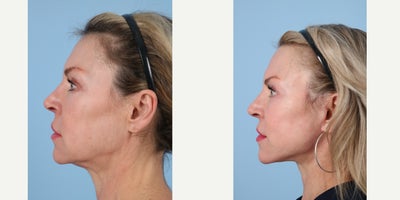
Your question about the longevity of a facelift is indeed a common and important one. As you consider this procedure, it's natural to wonder about the right timing and how to maintain your results post-surgery. Generally, a well-performed facelift can last anywhere between 10 to 20 years. However, it's important to remember that individual experiences vary. Factors such as genetics, lifestyle, and skin care play a significant role in the aging process and, consequently, how long the results of a facelift will hold. At 56, you are at a prime age for a facelift. Most women have gone through menopausal changes by this age, which can affect skin quality and facial structure. Yet, typically, the skin still retains enough elasticity to heal well and adapt to the changes a facelift provides. This makes it an opportune time to consider the procedure, as it can significantly rejuvenate your appearance while working with the natural aging process. In terms of maintaining and improving the longevity of your facelift results, I advocate for a comprehensive approach. Aftercare is crucial, and in my practice, we emphasize the importance of proper maintenance therapies post facelift. This includes a diligent skincare regimen tailored to your skin's needs, regular treatments like BroadBand Light (BBL) therapy, and laser treatments. These non-surgical procedures complement the facelift by improving skin texture, tone, and quality, thus prolonging the youthful appearance achieved by the surgery. I encourage you to discuss these aspects in detail with your surgeon during your consultations. Understanding the procedure, what to expect, and how to care for your skin afterward will empower you to make informed decisions and enjoy your results for as long as possible. Wishing you the best in your journey towards rejuvenation!
Asked By: alliw123
ANSWER
Thank you for your question regarding the interaction of Sculptra and previous mini lower face lifts with future full facelift procedures. It's great that you're doing your research and considering all aspects of facial rejuvenation. You are correct in understanding that the presence of Sculptra, as well as the scar tissue resulting from a previous mini facelift, can technically make a subsequent full facelift more complex. Sculptra, being a biostimulator, creates a collagen response that can alter the tissue planes typically encountered during a facelift. Similarly, scar tissue from a previous mini lift can change the anatomy, potentially making a future procedure more challenging. However, it's important to note that such scenarios are quite common in aesthetic surgery. Experienced plastic surgeons frequently encounter patients who have had various non-surgical treatments like filler injections, thread lifts, or previous surgical interventions like mini facelifts. Due to this prevalence, skilled surgeons are well-equipped to navigate these complexities safely and effectively. In my practice, managing patients with previous facial treatments, including those with Sculptra or a history of a mini lift, has been a regular part of our surgical planning and execution. While it adds an element of complexity, it has not been a prohibitive factor in achieving excellent results. The key lies in detailed preoperative assessment, meticulous surgical technique, and adapting the approach to each individual's unique facial structure and treatment history. Hope that helps!
Mention RealSelf to redeem.
$300 off BBL (Broad Band Light) & Moxy laser combo package for Facelift patients. Please inquire for more details and mention you saw Dr. Taghva on RealSelf.
Enhance your post Eyelid Surgery results with 1 complimentary (periorbital) Botox treatment. Please inquire for for more details and mention you saw Dr. Taghva on RealSelf.
Dr. Taghva's surgical patients receive 15% off of 1 Avéli® cellulite treatment. Please inquire for more details.
Dr. Goretti Ho Taghva is highly regarded for her expertise in cosmetic procedures, particularly in , , , , and . Patients consistently praise her professionalism, skill, and compassionate care. Her ability to deliver natural-looking results and her thorough communication during consultations are frequently highlighted. Dr. Ho's dedication to patient satisfaction and her meticulous approach to surgery and recovery have earned her a strong reputation among her patients.