Otorhinolaryngology Head & Neck Surgery Trained Facial Plastic & Reconstructive Surgeon
Asked By: Jhanie
ANSWER
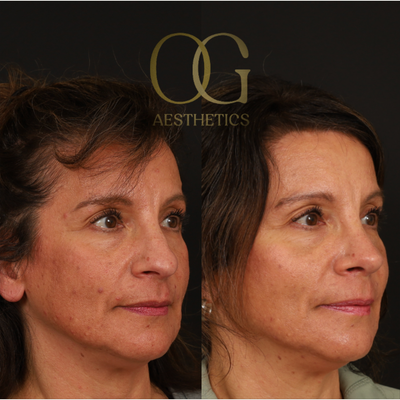
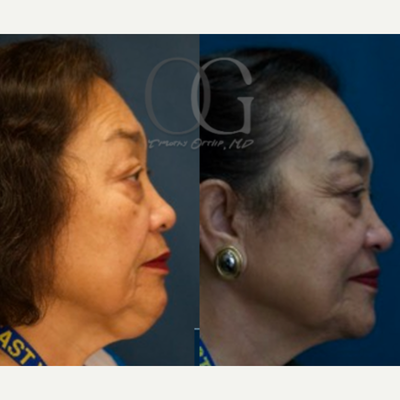
This is a wonderful question and one that deserves a clear explanation. Terminology used in the the aesthetics world is very confusing. Every surgeon wants to market their own facelift. "Pony tail facelift" Mini Facelift" "weekend facelift" "Vertical vector facelift" "Refresher FAcelift". What does it all mean?!!. Amongst plastic surgeons we can tell the difference based on the techniques that are used. As with most surgeries, the techniques and surgeries have evolved over time. In earlier times, surgeons would make incisions around the ears and hair and pull on the skin to achieve a tightening effect on the lower face. This method often left the skin very tight, distorted and pulled particularly around the eyes and mouth. It was very obvious and un-natural. Because the skin is relatively elastic, over time the pull would weaken and the results did not last long. The facelift further evolved into pulling on the SMAS (Superficial Muscular Aponeurotic System) A sheet of fibrous tissue and muscular connections which runs through the middle layer of the face and neck. Surgeons found that by pulling on this structure we could achieve longer lasting results without the stigma of the "skin only" method. These were done in two main types, - imbrication (Cutting) and plication (folding). These techniques have been the mainstay of facelifts over the past 20-30 years. There is also a MACS lift which is a minimal access cranial suspension lift that uses sutures to pull on the ptotic structures. The idea of anything "mini" or "minimal access" is usually a facelift through smaller incisions and less dissection and pulling. It is important to remember that these will often not give you long lasting or powerful results. Many physicians use this as a marketing tactic - minimal facelift shorter recovery, less down time..... Deep plane facelifting has been around for about 40 years but has undergone a huge overhaul in the past 15 years by pioneers like Dr. Andrew Jacono. Surgeons have found that by entering deep to the SMAS and releasing the SMAS layer allows you to reposition the tissue, midface volume in a more natural and powerful way. This is now combined with transection of several fibrous ligaments in the face to allow even more of a durable pull on the deep structures. The vertical vector just refers to the way we are repositioning the tissue after we release it. These newer techniques are novel and are only taught at very specific fellowships/training programs. There is a newer generation of surgeons (The first wave) that are still in their 30-40's who are all using this. Most older surgeons are still using Imbrication or Plication techniques. The older surgeons who are doing Deep Plan facelifting are likely the ones who have pioneered this technique, but their surgeries come at a steep price. Soon the Extended Deep plane facelift will be the standard of care. Judging by your photos you would benefit most from an extended deep plane facelift. I would not do anything mini. Hope this helps!
Asked By: okayymyg
ANSWER
Piercings do not preclude you from getting nasal surgery, but you may. have to get them re-pierced after surgery. So it may be best to wait.
Asked By: deen
ANSWER
Nasal tip swelling can be common after rhinoplasty surgery. Especially within the first year. This does not surprise me and I don't think it should concern you much. Laying down allows all the blood to rush into the head/face and soft tissue can tend to swell. Trying to sleep slightly upright or some gentle taping of the tip at night under the advice of your plastic surgeon could potentially help with this. I think with time this will be less of an issue.
Asked By: calian68
ANSWER
I would keep seeking expert advise until you find an answer that is reasonable and consistent with your feelings/experience/symptoms.
Asked By: tr82
ANSWER
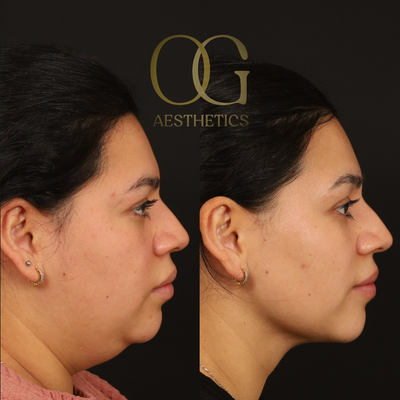
What a wonderful question and more of a hot topic now a days. You may start seeing the trend of younger people looking towards more surgical options. As we age we start losing volume in the face. This happens at multiple levels including the bony platform that provides structure for fat muscle and skin to drape. Fat pads start to atrophy, the skin can thin out and the muscle becomes more noticeable leaving static and dynamic wrinkles in the skin. People age differently due to genetics, social factors as well sun exposure. Filler augmentation is a great option to help provide the volume necessary to give a youthful appearance. It can also help build underlying infrastructure to help re-drape the soft tissue. Once the skin laxity and descent becomes more severe you are really looking at lifting procedures (facelift, necklift etc). You should be very careful about "over filling" the face, especially in the lower face. In general, Filler is "camouflaging" the underlying issues, and not necessarily addressing the problem. Many practitioners rely on filler too much to inflate the face to the point where it "lifts" the skin. If not done carefully this can lead to a heavy, un-natural appearance. Because of this, a newer/educated/younger cohort of patients are seeking surgical options earlier. They heal alot faster because they are younger and they can enjoy their surgical results for a longer period of time. You will always look younger than if you did not get the procedure, but aging will still continue after the procedure. You can expect results to last 10-15 years. Skin maintenance with neuromodulators, select fillers and skin tightening procedures may be required to make your surgical results last longer, but microneedling and radiofrequency will not fix jowls or neck bands. They offer a good skin plump, some mild to moderate tightening and collagen formation. From a cost analysis, many years of filler, botox and microneedling procedures will often add up and exceed the cost of surgery. Hope this helps!
Asked By: Nurturing967375
ANSWER
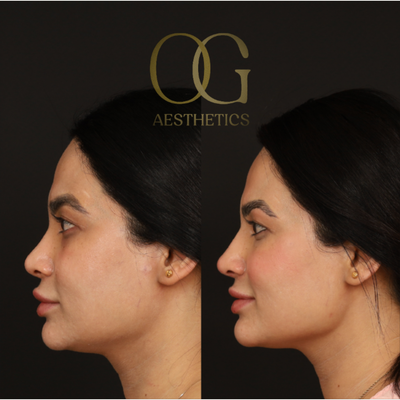
Great question, assuming this is our normal anatomy, the only thing that could be done is a genioplasty. This is done through an intra-oral incision. The excess bone of the chin is then cut off and re-positioned to provide a less projected, smoother appearance. This procedure is performed a lot in asian culture as well as for facial feminizations surgery.
Asked By: Exquisite29601
ANSWER
The short answer is yes. It can be fixed. A common problem we see is over resected nasal bones and under-refined nasal tips. This leads to the sense that the nose is flat and the tip is over-projected. It is likely that you will need a more extensive procedure including rib cartilage harvest, possible ear cartilage harvest and temporalis fascia. We perform similar procedure on ethnic patients to help build up the nasal dorsum and give more projections. Hope this helps and good luck!
Asked By: Randi234
ANSWER
Candidacy for rhinoplasty is broad. More important are your goals and the size, shape and function of the nose and lips now. Only a board certified facial plastic surgeon has the expertise and experience to know all of the intricacies of nasal function and aesthetics. My advice would be to see professional personalized consultation to discuss your concerns and goals. Hope this helps.
Asked By: Polite434570
ANSWER
Yes a facelift could do that. The right facelift in the right hands can almost make everyone with some skin/soft tissue laxity look better. The question is, are your concerns/issues bad enough for a facelift? Can your concerns be adequately address with some selective filler, skin tightening procedures and a bomb skin regimen. You look pretty young your photo, so I think the first thing to do is formulate a manageable anti-aging plan with a local professional.
Asked By: Kpforlife
ANSWER
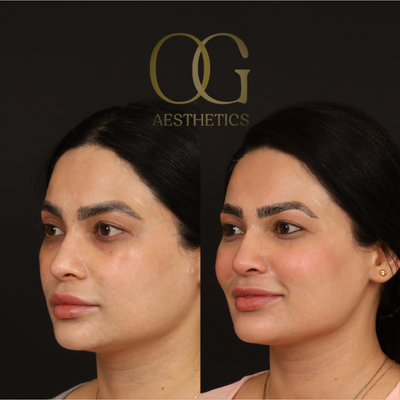
You look wonderful! but if your looking for extra I would not go for a facelift this early. Healthy diet, exercise, lower stress levels will undoubtedly help improve some of the fullness under the chin and around the lower half of the face. Invest in yourself! Putting in the time and effort raises self esteem, morale and energy levels. Be sure to get on a good, consistent skin regiment including retinol and SPF!, Also look towards skin enhancing procedures- several mild CO2 resurfacing procedures can help the complexion and give a skin boost, Microneedling with PRP can also have added benefits. Could consider very minimal buccal fat removal. Selective botox and filler and youll be looking refreshed and ready to tackle your 40's
Dr. Timothy Ortlip is highly regarded for his expertise in various cosmetic procedures, including , , and . Patients consistently praise his ability to achieve natural-looking results, his attentive and thorough consultations, and his dedication to patient satisfaction. His calm demeanor and meticulous approach contribute to a comfortable and trusting environment for patients.