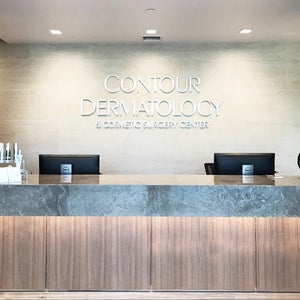
Contour Dermatology and Cosmetic Surgery Center - Rancho Mirage
42600 Mirage Rd., Rancho Mirage, California, 92270

Dermatologic Surgeon, Board Certified in Dermatology
“What I enjoy about dermatology is that you can see the results. There’s an art to it and I probably enjoy the artistic element more than anything. It is rewarding to help people improve their self-esteem as well as feel better physically”

Asked By: lizy2018
ANSWER
Mole removal in this area can be done safely, but it’s essential to consider both the cosmetic outcome and the proper removal technique. Depending on the mole’s characteristics, options include shave excision, surgical excision, or laser removal. Each approach has its pros and cons, and we’d aim to minimize scarring, especially on such a delicate area near the eye. A consultation would allow us to assess the mole and choose the safest, most effective method for you.
Asked By: duxvitae
ANSWER
From the photo and your description, it looks like there may be a mix of scar and recurrent mole tissue. Options like CO2 laser resurfacing, minor surgical revision, or even some targeted injections could help smooth things out and improve the appearance. Subcision could also be helpful if the scar has a depressed, tethered component, as it can release underlying attachments and lift the area. For optimal results, we might even combine subcision with other treatments like laser or fillers. Let me know if you’d like to discuss further!
Asked By: alphafemale1234
ANSWER
Squamous cell carcinoma (SCC) generally grows slowly, but the rate can vary depending on several factors, including the location, individual immune response, and the tumor’s characteristics. In many cases, SCC can take months to even a couple of years to reach a size of 1 cm, as you've described. The fact that your nodule has been growing for about two years before reaching this size is consistent with a slower-growing SCC, which is more common. However, while SCC tends to grow gradually, it is still important to treat it promptly once diagnosed. Left untreated, SCC can eventually become more aggressive, invading deeper tissues or spreading to nearby lymph nodes or distant organs (though this is less common). The biopsy confirming SCC is crucial, and based on that result, your healthcare provider will recommend the next steps, which often involve surgical removal of the lesion. Early intervention can effectively eliminate the cancer and reduce the risk of further complications. I encourage you to follow up with your dermatologist or healthcare provider to discuss treatment options, which may include excision, Mohs surgery, or other modalities, depending on the specifics of your case.
Asked By: KAK77
ANSWER
Hi! Fantastic question about non-surgical options for treating a Basal Cell Carcinoma above your eyebrow. One treatment option with a very similar cure rate is the IG-SRT which is radiotherapy, that may be preferential as it is non-surgical and there's no surgery involved. Best of luck in your treatment journey!
Asked By: PLMI
ANSWER
Hi there! IG-SRT is definitely a treatment option for the Basal Cell Carcinoma located on your nose, however, it would be best practice to consult with your local dermatologist to see if that would be the best treatment option. Your concerns of a scar are very valid, but depending on the skill level of the treatment provider the scar can be minimized. Both IG-SRT and Moh's surgery both have around a 99.3% cure rate, discuss this with your dermatologist of choice to make sure that you make the best decision for yourself! Best of luck!
Asked By: Loving832949
ANSWER
Hi there! Great question, Image-Guided Superficial Radiation is a very good non-surgical treatment option for basal cell cancer, especially on the nose where a scar is entirely possible. The cure rate for IG-SRT is 99.3%, whereas Moh's is around the same percentage. We have a lovely IG-SRT practitioner right here at our practice if you'd be interested in perusing that option! Best of luck on your treatment journey!
Asked By: MSSHMD3
ANSWER
Using ice on the scalp to reduce swelling after PRP for hair loss should not significantly reduce the efficacy of the treatment. PRP works by releasing growth factors from platelets, which stimulate hair follicles over time. Applying ice is more about managing discomfort and swelling, and while it may slightly slow blood flow to the area temporarily, it shouldn't interfere with the overall benefits of the treatment. However, it's best to follow your doctor's specific aftercare instructions, as some may recommend waiting a few hours before applying ice to avoid any potential interference during the initial stages of healing.
Asked By: Optimistic893925
ANSWER
Shedding after PRP treatments is normal and part of the hair growth cycle. PRP stimulates follicles, but it doesn’t stop shedding immediately. Some people experience telogen effluvium, where old hair sheds before new hair grows. This shedding usually resolves after a few months. It often takes 3-6 months for the full effect of PRP to show, so seeing some hair growth is a good sign. However, shedding can still happen while the hair cycle adjusts. Check for underlying causes like stress, hormonal imbalances, or nutrient deficiencies that might contribute. After your 4th treatment, shedding may slow down. If not, consult your doctor.
Asked By: SilentLucidity
ANSWER
Non-surgical options for improving lower eyelid slope include dermal fillers or RF/Ultherapy to tighten and lift the area. Surgical options involve canthoplasty, canthopexy, or lower eyelid blepharoplasty. As always, consult your local medical professional to be evaluated and see if this is a procedure that you would want to take on! Best of luck.
Asked By: Sensible5249
ANSWER
When treating hyperpigmentation with the PicoWay laser and planning to have laser hair removal in the same areas, it's important to allow your skin enough time to heal between treatments to avoid irritation or complications, especially considering your skin type. For African American skin, it’s typically recommended to wait about 4-6 weeks after a PicoWay treatment before scheduling laser hair removal. This waiting period allows your skin to fully recover from the PicoWay treatment, which targets pigmentation, before exposing it to the laser hair removal process, which targets the hair follicles. Since both treatments involve laser energy, giving your skin adequate time to heal reduces the risk of hyperpigmentation, hypopigmentation, or other adverse reactions. However, always consult with your dermatologist or laser specialist, who can provide specific recommendations based on your skin’s condition and response to the PicoWay treatment.
Mention RealSelf to redeem.
Mention that you saw this discount on RealSelf and receive 15% off a Botox treatment. Offer cannot be combined with any other offer or discount.
Tired of battling the same 20-40 pounds? We're here to help you finally achieve the lasting results you've been waiting for! Ready to make your “set weight” a thing of the past? Contact us about your options, and mention RealSelf!
Dr. Timothy Jochen delivers attentive, skilled care with natural-looking results across cosmetic and surgical procedures. Patients consistently praise his thorough approach, professionalism, and ability to make them feel secure and taken care of. His staff is described as friendly and supportive, though a few recent patients noted occasional lapses in communication or follow-up.