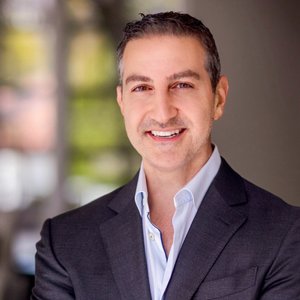
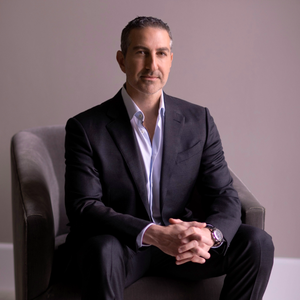
Richard V. Balikian, MD, FACS
Verified
Board Certified Facial Plastic Surgeon
Board Certified Facial Plastic Surgeon
Show more
Dr. Richard Balikian is a double board-certified facial plastic and reconstructive surgeon dedicated exclusively to aesthetic surgery of the face, neck and nose. With a meticulous eye for detail and a commitment to natural-looking results, he has built a reput
Asked By: Polite387397
ANSWER
I can get a good sense from your photos, but I can’t really give you a full assessment until I see you in person. Buccal fat is deeper fat that sits in the cheek and can start to bulge in some people. Some people do not have enough and some people have too much, so we adjust it for every patient and every surgery. We never remove all of the buccal fat. Sometimes we conservatively trim a little so you do not have that chipmunk-cheek fullness, but the amount has to be carefully evaluated. Jowls happen as the supportive muscle layer of the face starts sliding down with gravity and takes the loose skin with it. Buccal fat removal and the development of jowls are therefore two different things. I would need to see you in person to determine whether the fullness you see is truly coming from the buccal fat and whether removing any of it would create the result you want.
Asked By: lynnly63
ANSWER
I can’t really give you a full assessment from a photo, especially when you have had previous upper- and lower-eyelid surgery. We age in three different ways: gravity, volume loss and texture changes to the skin. They each have their own treatments. A deep plane facelift treats gravity by lifting the deeper tissues back into the position they were years ago. A lower blepharoplasty treats bulging fat pockets and the shadows underneath the eyes. When I evaluate the lower eyelid, I’m looking at where the fat pockets are, whether there is true volume loss underneath, the muscle tone of the lower eyelid and the quality of the skin. We don’t want to remove too much fat because we don’t want to hollow out the eyes. Fat transfer is not building material or a big ball of filler. It is used like a little spackling material to soften shadows and keep everything harmonious and balanced. Whether you need it depends on how much volume has already been lost and what was removed during your previous surgery. I would need to evaluate you in person to determine what each proposed procedure would address and whether fat transfer should be part of the plan.
Asked By: Gregarious362927
ANSWER
I can’t really give you a full assessment from a photo. I need to look at the fat pockets, whether there is true volume loss underneath, the depth below the skin and the tone of the skin. When we’re treating the lower eyelid what we are really treating are shadows. Shadows come from bulging fat around the eye and volume loss underneath that creates a trough. If we remove too much fat, we can hollow out the eyes and we don’t want to do that. Sometimes we can tease out the lower-eyelid fat and redrape it into the trough. Oftentimes, there isn’t enough fat to fill the trough, so we add a little fat transfer from the abdomen or inner thighs. We don’t inject it like a big ball of filler. We inject little droplets, like we’re sowing seeds in a garden, to gently lift the trough without causing a bulge. Fat transfer around the eye has to be done slowly and with great and delicate care. I would need to evaluate you in person to determine whether there is fat to reposition, whether you need fat transfer or whether the darkness is coming from something other than the shadow.
Asked By: makeup101
ANSWER
I can’t really give you a full assessment from a photo. I need to look at where the tail and middle of the eyebrow sit and determine whether there is truly excess skin or whether the brow is dropping down. Hooded eyes usually come from two things: excess skin of the upper eyelid and a brow that’s pushing that skin down more. Some patients are truly candidates for just an upper blepharoplasty. If the tail of the eyebrow is sagging, we may combine it with a temporal lift. If the heaviness is more in the center or inner part of the eyebrow, we may do an endoscopic-style four-point brow lift. When we combine the eyes with a brow lift, we always start with the brow so we can see how much lift we’ve gotten and adjust the upper-eyelid skin excision accordingly.
Asked By: Gregarious670292
ANSWER
I can’t really give you a full assessment from a photo, but I can explain how I approach fat repositioning during lower blepharoplasty. When we’re treating the lower eyelid, we’re really treating shadows. Those shadows come from two things: bulging fat around the eye and volume loss underneath that creates a trough. To really treat it, we have to bring the bulge down and fill the trough up. I prefer a scarless transconjunctival lower blepharoplasty. We don’t go through the skin and we don’t go through the lower-eyelid muscle. We go from inside the eyelid, find the three little pockets of fat and either trim the fat that is bulging or tease it out and redrape it into the trough. Fat repositioning is ideal when there is enough fat available to fill the trough. Sometimes there isn’t enough, and that’s when we may add a little fat transfer instead. We don’t want to remove all the fat because those little pillows of fat are there to protect the eye. During surgery, we check a thousand times to make sure we’ve taken or repositioned the right amount and not too much. The goal is to bring the bulge down, bring the trough up and create a smooth transition without hollowing the eyes or changing their shape. I would need to evaluate the fat pockets, the depth of the trough, the lower-eyelid muscle tone and the quality of the skin in person to determine whether fat repositioning would be appropriate for you.
Asked By: oceannepeti
ANSWER
Patients will often come in and say, “My eyes look tired. I don’t feel tired. How can I make them look refreshed without changing their shape?” That’s where I really zone in on all the little details: the position of the eyebrows, the position of the upper-eyelid skin, the fat pockets of the lower eyelids, the muscle tone of the lower eyelid, the volume loss through the cheeks and the tone of the skin. As facial plastic surgeons, we can do a lot of things to manipulate the position of the eyebrows. Sometimes we can do those things with Botox. Sometimes we can do them with surgery. A temporal lift takes the tail of the eyebrow and lifts it a little bit. It’s not a brow lift that pulls the brows all the way up, and it’s not cat-eye surgery where we’re trying to change the angle of the brows. It supports the tail of the eyebrow and smooths the skin of the temple area. If the heaviness is more in the center or inner part of the eyebrow, that’s where we may do an endoscopic-style four-point brow lift. We release the brows from the connections to the bone that are pulling them down. The brows naturally lift into a better position, and we secure them there. We’re not actively cranking on the brows. It is more of a passive brow reset than a brow lift. When I do upper- or lower-eyelid surgery, I want your eyelid shape to stay the same. I don’t want to change it unless there is a deformity there to begin with. The goal is not to make the eyes turn upward. It is to make them look brighter, happier and refreshed while still looking like you. Underneath the eyes, we’re really treating shadows. Those shadows come from bulging fat around the eye and volume loss underneath that creates a trough. To treat that, we have to bring the bulge down and fill the trough up. We may do that with a transconjunctival lower blepharoplasty, fat repositioning or a little fat transfer. I would need to see you in person so I can truly tell what you need and explain what procedures would best address your concerns and why.
Asked By: Thriving197622
ANSWER
Fat transfer around the eyes really has to be done with great, delicate care. If the fat is not injected properly or slowly enough, you can get bulging that changes the shape of the eye. We don’t inject fat like filler, which is like putting a big ball of Jell-O underneath the skin. We inject little droplets, like we’re sowing seeds in a garden. Spreading those droplets out allows each one to get its own blood supply and become part of your face. During surgery, I manipulate the fat, make sure it is nice and smooth, and look for any funny lumps or bumps so I can adjust them as needed. Sometimes 50% of the transferred fat stays and sometimes 100% stays. The problem is when a surgeon assumes that only 70% or 75% will remain and overinjects. If 100% stays, you can have a major problem that cannot easily be taken out. I never overinject. I inject what looks nice on the table if 100% remains. If 100% stays, it looks great. If 50% stays, it still looks great. We usually take the fat from the abdomen or inner thighs. For someone who is very thin or has previously had a tummy tuck, I often use the inner thighs. We process and clean the fat so we are left with little seedlings of fat that can be injected strategically. Once the transferred fat takes, it becomes part of your face. It will age the way the rest of your face ages. Five or ten years down the road, some of that fat may diminish, but that is because the whole face continues to lose fat with aging. Fat transfer is not building material. It should not create a big ball or bulge. It is a spackling material used sparingly to soften shadows and keep everything harmonious and balanced.
Asked By: AlexFar32
ANSWER
I can’t really give you a full assessment unless I see you in person. During the consultation, I would look at where the fat pockets are, whether there is true volume loss underneath, the depth below the skin and the tone of the lower eyelid. Fat repositioning works when there is enough fat bulging from the lower eyelid to tease out and redrape into the trough. That is ideal, but sometimes that fat isn’t enough to fill the trough. That’s why we oftentimes do fat transfer. We take a little fat from the abdomen or inner thighs, spin it and then inject it into the areas of volume loss. We’re not putting in a big bunch of fat. We’re sprinkling little droplets like we’re sowing seeds in a garden to fill the trough and soften the shadow. The goal is to create a smoother transition underneath the eye so that you look brighter, happier and refreshed while still looking like yourself. An in-person evaluation would determine whether you have enough lower-eyelid fat to reposition or whether fat transfer would be needed to fill the hollowness.
Asked By: HelenHarpenden
ANSWER
I would need to see you in person to give you a definitive answer to your question. When I evaluate the lower eyelid, I’m looking at all the little details. How much excess skin is there? What is the quality of that skin? What is the tone of the lower-eyelid muscle? Where are the fat pockets, and is there true volume loss underneath? If excess skin is truly the concern, we can make an incision right underneath the lash line and roll up a little excess skin, again without touching the muscle. Anytime you cut through the muscle of the lower eyelid, you run the risk of pulling the eyelid down. That’s why I never touch that muscle when I do surgery. Sometimes we see excess skin, but we also see shadows. Those shadows can come from bulging fat pockets and volume loss underneath that creates a trough. In that situation, we have to bring the bulge down and fill the trough up so everything looks harmonious and balanced.
Asked By: Witty239770
ANSWER
In order to give you a proper answer, I would need to see you in person. I can’t really give you a full assessment from photographs. In general, when we’re treating the lower eyelid bags, we’re really treating shadows. Those shadows come from two things. One is bulging fat around the eye, and the second is volume loss underneath that creates a trough. When you have a bulge above and a trough below it, the distance between the two creates a larger shadow. To really treat it, we have to bring the bulge down and fill the trough up. I prefer a scarless transconjunctival lower blepharoplasty. We go from inside the eyelid, find the three little pockets of fat and either conservatively trim the fat that is bulging or tease it out and redrape it into the trough. Fat repositioning is ideal when there is enough fat available, but sometimes that fat is not enough to fill the trough. That’s why we sometimes add fat transfer from the abdomen or inner thighs, almost like sprinkling little seeds in a garden. If there is excess lower-eyelid skin, we can make a small incision underneath the lash line and remove a little excess skin without cutting the lower-eyelid muscle. An in-person consultation would allow your surgeon to assess the fat pockets, the hollowness underneath, the amount of excess skin and the tone of the lower eyelid. Then they can explain whether you would benefit from fat repositioning, fat transfer or a combination of the two.
Dr. Richard V. Balikian is highly regarded for his expertise in facial plastic surgery, particularly in , facelifts, and deep plane facelifts. Patients consistently report significant improvements in their appearance and self-confidence following procedures. Dr. Balikian is praised for his skill, professionalism, compassionate care, and attention to detail. While some patients express concerns about the results of certain procedures like , particularly regarding swelling and breathing, the majority of reviews are overwhelmingly positive.