
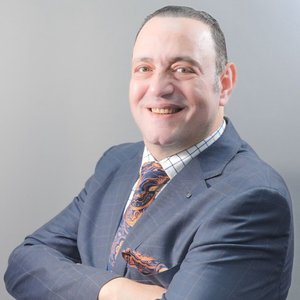
Chelsea Cosmetics Melbourne is a cosmetic medical practice led by Dr Mark Attalla, who has more than 15 years of experience in cosmetic medicine. Based in Templestowe, Melbourne, the practice offers a range of surgical and non-surgical cosmetic treatments,
Asked By: HelloRey
ANSWER
based on the photos you published, it looks like you had fractional ablative laser. Patients with darker skin tones have a higher risk of developing post-inflammatory hyperpigmentation (PIH) following fractional ablative laser treatments. This occurs when the inflammation and redness caused by the laser stimulate excess melanin production, potentially resulting in dark brown pigmentation. Following ablative laser treatment, a short course of a topical corticosteroid, such as hydrocortisone 1%, may help reduce inflammation and redness when prescribed by your treating doctor. Stronger corticosteroids, such as betamethasone, should be used with particular caution on facial skin due to the risk of adverse effects. Once the skin has fully re-epithelialised and the initial inflammation has settled, hydroquinone 4% may be considered to reduce melanin production and the risk of hyperpigmentation. It is commonly prescribed for a limited course, such as 6–8 weeks, depending on skin response and medical supervision. If further laser sessions are planned, your doctor should reassess whether hydroquinone should be continued or restarted around each treatment rather than used continuously without review. Strict sun protection with SPF 50+, gentle skincare and appropriate post-laser wound care are essential to minimise the risk of PIH. The most appropriate treatment regimen depends on your skin type, the depth of laser treatment and the progress of healing.
Asked By: Britneyjen4321
ANSWER
Thanks for your email. Sometimes liquid nitrogen can fail to deliver the results and you may need to use other methods that are designed to remove skin pigmentation successfully, such as Erbium, Co2 , Ruby or -Switch Nd yag laser ssytems, You may need to be prescribed for a skin lightening product as a homecare to even out your skin tone. Please make sure that you ask the relevant questions form your qualified laser therapist of dermatologists to avoid any confusions. Best of luck,
Asked By: rashazaid
ANSWER
Thank you for your question. There are several treatment options available to improve enlarged pores, skin texture and mild skin laxity around the eyes. The most suitable treatment depends on your skin type, degree of skin laxity, expectations, potential side effects and desired longevity of results. For patients with fair skin, fractional ablative CO₂ or Er (erbium) laser resurfacing can be effective in improving skin texture, fine lines and mild skin laxity. Noticeable improvement may be achieved after one or two sessions, although the number of treatments and results vary between patients. For patients with darker skin tones, fractional Er laser resurfacing may be considered because it can offer a lower risk of post-inflammatory hyperpigmentation than more aggressive ablative treatments when appropriate settings are used. Multiple sessions may be required, and careful assessment and preparation are essential. PRP and injectable skin boosters are other options that may improve skin quality, hydration and fine lines, generally with less downtime than ablative laser resurfacing. However, their effectiveness for pore reduction and skin tightening is less predictable, and maintenance treatments may be necessary. The duration of improvement varies depending on the treatment used. Other treatments, including microneedling and selected chemical peels, may provide modest improvements in skin texture, although they are generally less effective for significant skin laxity. In my experience, laser resurfacing can provide more substantial and potentially longer-lasting improvements in suitable patients, but it is important to balance the potential benefits against downtime and risks. I would recommend a consultation to assess your skin type, the degree of skin laxity and the specific area of concern before deciding on the most appropriate treatment. Best wishes,Dr Mark Attalla
Asked By: icarmen
ANSWER
i agree with the comments made about your best option to be ThermiRF or Vaser, BUT if you are keen to only try non-invasive treatment options, then I may suggest Acoustic Wave Therapy know as Shock Wave technology to break down the small fat bulges left behind and to smooth out your skin by having 12-16 weekly sessions. If you want to only focus on the front sections of your thighs, then the cost shouldn't be more than $200-$250 per session. Best of luck,
Asked By: shaynamarie14
ANSWER
Your small Spider veins can be treated with either Nd Yag laser or Diathermy and cost would be around $70-100 , depending on the location. Please make sure that your Dr or laser therapist has the required skills and qualification. Good luck,
Asked By: ir69558
ANSWER
Q switch and Pico lasers are great choices but giving the fact that your tattoo is dark with a considerable amount of ink , it may be safer to use less energy so your skin doesn't respond with huge amount of blistering which ultimately could lead to unnecessary hypo pigmentation. I think you may need a further 6-8 sessions to fully remove the ink with 6-10 weeks, or even longer intervals in between sessions.
Asked By: tropikool
ANSWER
Thanks for your question. Q-switch Yag is a great alternative for minimizing enlarged pores and toning the skin. Normally a course of 4-6 weekly or fortnightly sessions are required.Other alternatives could be skin needling, or IPL if you have a fare skin. Please make sure that your laser clinician has the necessary skills and qualification to perform the procedure on your skin. Best of luck,
Asked By: pedromendes5
ANSWER
Those small white lesions are called Millia which can easily be treated with either fractional Erbium laser resurfacing, extraction or through some Radio frequency devices such as Lamprobe or diathermy. usually 1-2 treatments at a month interval are enough with minimal downtime.
Mr. Mark Attalla consistently delivers excellent results in and procedures, earning high satisfaction from patients. His technical skill is highly valued, with patients reporting smooth recoveries and no complications. While some note that his bedside manner could be warmer, the focus remains on achieving successful outcomes.