Premier Aesthetics & Plastic Surgery of Upstate New York
5800 Heritage Landing Drive, Suite B, East Syracuse, New York, 13057
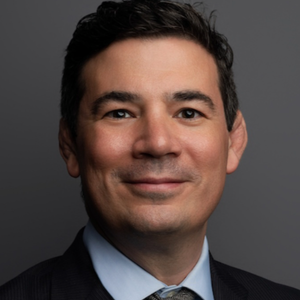
Board Certified Plastic Surgeon
Dr. Urbinelli is a board-certified plastic and reconstructive surgeon as well as a Craniofacial and Pediatric Plastic Surgeon Subspecialist. He combines years of passion, artistry, precision, cutting-edge techniques and advanced technologies in providing the b
Asked By: vickilynnp
ANSWER
While this is a rare complication, it is possible for anyone who performs abdominoplasty surgery. The skin edge likely died (wound healing or skin necrosis) due to lack of blood supply, over-aggressive liposuction, infection, hematoma or patient related factors such as nicotine use, diabetes, etc. The resulting scar is after the wound has healed in and the pink immature thin scar can be improved. Your previous surgeon can revise this scar and close it nicely like the rest of the linear incision, often in the office under local anesthesia, however charging you a fee for revision surgery is reasonable and acceptable (but not all surgeons do this, some revisions I will cover complimentary). If you trust your surgeon and would like him to revise your surgery scar, then do so. If not, then a 2nd opinion can sometimes help to hear. It would be unusual for this to happen again. Good luck!
Asked By: KJJ7
ANSWER
It appears you have had massive weight loss - congratulations! Great job doing it with diet and exercise.If you are at your nadir of weight loss (low point) and weight has been stable for 6 months and no other medical problems (heart disease, high BP, diabetes, vitamin deficiency, etc) then you could proceed with body contouring procedures. You will likely benefit from a breast lift +/- implants or potentially fat grafting in a 2nd surgery to augment the upper pole of the breasts.You will likely benefit from a circumferential body lift (360 degrees liposuction, belt lipectomy and incision all the way around waistline and back to tighten and lift the buttock, lateral thighs, flanks, back, bra lines and abdomen/pubic areas). You will likely benefit from a staged thigh lift as well (liposuction to debulk and sculpt the inner, outer and anterior and posterior thights) and then come back in 6 months and perform a formal thigh lift. These are long extensive surgeries but they will best deal with the loose skin and irregular contours. Many surgeons and facilities have BMI cutoffs of 30-35, and while may seem arbitrary, there is some data showing increased risk of complications for patients with higher BMI's. If you are able to to lose more weight, and are not yet at your low point/nadir of weight loss journey, then it is best to wait so you don't deflate further after surgery. I hope this helps, just my opinion, which obviously does not override my overall recommendation to be seen by a trusted and experienced Board Certified Plastic Surgeon so they can review your weight loss, medical and surgical history and examine you. Wish you well and great job again losing the weight!
Asked By: sunkiss21
ANSWER
In my opinion, I believe these 2 areas are remote enough from each other to not affect one another's results due to swelling or pulling/tugging. Breast lift with a labiaplasty should be safe and smoothly deliverable for most patients. As always, this advice does not trump seeking out a board certified Plastic Surgeon to discuss your concerns or desires, as every case is different and unique. Good luck and wishing you the best result!
Asked By: Considerate546063
ANSWER
Personally I would wait until your primary care or endocrinologist gets your thyroid issues worked out and stable. Surgery is a stressor, if you are hyperthyroid, you could potentially go into a "thyroid storm" from the stress of surgery and this can be an emergency. Once you are done nursing, thyroid is settled out and working normally (can take weeks to months to sort this out) then the breasts will settle to your baseline breast size and the surgeon will not be operating on an engorged breast fresh from nursing (less of a moving target). That is my 2 cents. The vit D deficiency is common in most of N. America, you can supplement with sunlight, vitamins and diet. Vit D is a cofactor for alot - bone health, immunity, skin health. So don't neglect it. As always, seek a Board Certified Plastic Surgeon for your breast and abdominal surgery as they will have a safe and effective approach to your care. Good luck!
Asked By: Peaceful383196
ANSWER
Infection after tummy tuck is not particularly common, however minor superficial skin infection (cellulitis) can occur after any surgery in which the skin is broken (incised in surger) which can allow bacteria in. These minor infections are usually easily treatable to oral antibiotics and careful attention to hygeine and wound care. More serious infections are quite rare. Seromas are quite common after tummy tuck and can occur after any surgery in which an empty space is created (under the skin and over the muscle in the case of tummy tuck) and many surgeons will try to prevent these with drains, or placing internal (progressive tension) sutures under the skin the close down this empty space to minimize the chance of a seroma (sterile fluid collection under the skin). Seromas are often easily treated with drainage in an office setting on weekly basis, followed by strict compression. Be sure drainage is done using sterile technique so as to not introduce bacteria. These are not the "surgeon's fault", the are a known and non-zero risk of doing any surgery. Bacteria live on our skin and after surgery the bacteria can find small microscopic entry points into the surgical site and under the skin. If you are seeing a Board Certified Plastic Surgeon, the will know the best ways to prevent infection and treat it. Good luck and hopefully clear sailing ahead!
Asked By: Sandyd2226
ANSWER
Depending on your preop state, health status, weight loss, nutrition, gentetics and how tight your surgeon made you after surgery - will help determine how "tight" the skin will look and feel. At 6 mo much of the swelling has gone from a tummy tuck but still more will dissipate over the next 6 months. You could try non-surgical treatments such as topical radiofrequency, radiofrequency with microneedling to tighten the skin or your surgeon and you can decide to revise the initial surgery and tighten the skin (remake the lower incision and remove excess skin and close - can sometimes be done under local anesthesia if muscle repair already performed). Discuss options with your initial surgeon and see what they think is best plan of action and timing. Good luck!
Asked By: looking4mybikinibody
ANSWER
First of all - you are bikini ready - don't let a Plastic Surgeon or anyone tell you otherwise. Your beauty comes from within, us Plastic Surgeons can only help let you shine with improvements/refinements/enhancements. Second of all - if you are seeking a more sculpted and tightened abdomen and lifted/perkier breasts to fill out the 2-piece bikini on the beach then my recommendation from your pictures would be a breast lift with abdominoplasty and liposuction to the flanks, abdomen, pubic and back/bra roll areas. Pricing and approaches for the best result vary from physician to physician depending on location in the country (costs of supplies, equipment, overhead), the physicians experience/expertise and demand. Find a Board Certified Plastic Surgeon that you trust and are aligned with in approach and demeanor and you will be well on your way to that enhanced, new and improved Beach bod! Good luck!
Asked By: L.Roma
ANSWER
Typically we recommend 30 days of no flying after abdominoplasty to help reduce the risk of blood clots (deep venous thrombosis (DVT). If it is imperative that you fly sooner (out of town patients), we typically recommend walk around on the plane every hour, purchase a sequential compression device for your legs during flight (battery operated) and drink plenty of water. Typically this surgery requires postop visits and checks of your incisions for signs of infection, wound healing issues, scar healing issues, excess swelling/fluid collections and possibly for drain removal (if your surgeon chooses to leave drains). So a flight 5 days later could be risky - we recommend our patients to be seen 1 week, 4 weeks and 12 weeks after surgery in-office ideally and again at 6 mo and 12 mo postop (since the skin and scars are healing more and more over this time - the result gets better!) Good luck on your tummy tuck journey, and always seek the advice of your Board Certified Plastic Surgeon with regard to travel, postop care, and other concerns!
Asked By: Brave720532
ANSWER
Very hard to say without seeing your whole face and multiple views but in general facial balance is what people want with rhinoplasty or any facial surgery. If your nose looks larger than the rest of the features on your face (chin, forehead, cheeks, etc) then it may appear “too big”. As far as growth - the nose grows until you have finished your final skeletal growth (in men 18-21 yo & women 14-18 yo are typically when growth ends). Hope this helps.
Asked By: RealSelfMember090098
ANSWER
Yes it’s safe to get microneedling RF a year after facelift. The blood supply to the facial skin and tissues has returned and it’s safe to have fractional treatment at this point. I ask my patients to stop Retin-A 3d prior to treatment. Good luck and enjoy - good job on maintenance of your facelift investment. Keep the skin toned, avoid sun, eat well and your facelift result will last longer!
Dr. Leo J. Urbinelli is highly regarded for his expertise in various plastic surgeries, including , , , , , , , , , , , and . Patients consistently praise his professionalism, communication skills, and compassionate care. Many highlight his ability to exceed expectations and his thorough approach to patient education and aftercare.