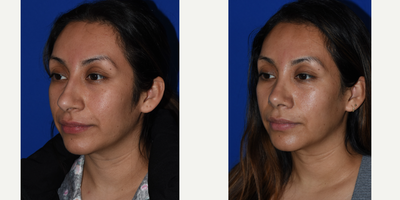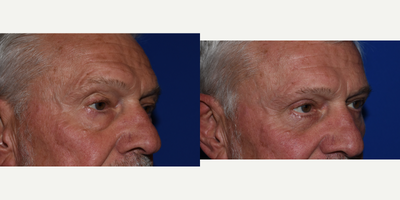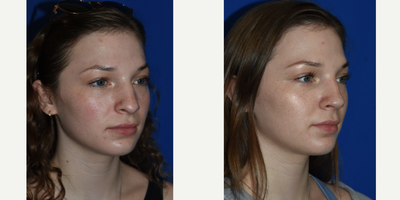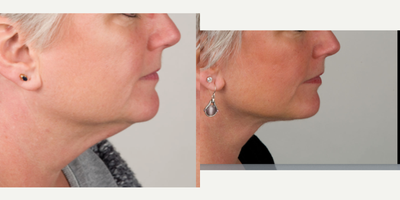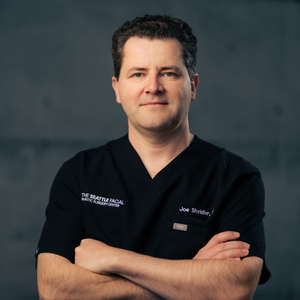
Joseph Shvidler, MD, specializes in the comprehensive management of congenital, traumatic and cosmetic concerns of the face, nose and neck. Double board-certified in Plastic Surgery; Reconstructive Surgery and Otolaryngology, he is able to care for the most co

Asked By: Intellectual254980
ANSWER
It’s understandable to be concerned about the appearance of your nose after rhinoplasty. Here’s a general timeline and what you can expect as your healing progresses: First Few Days to Weeks: 1. Swelling and Bruising: It’s common to have significant swelling and bruising around the eyes and nose. The tip of your nose might look turned up or distorted due to the swelling. 2. Splint and Packing:If you had a splint or nasal packing, it will typically be removed within the first week. This can significantly change the appearance of your nose. 3. Initial Healing: The first week to ten days is crucial for initial healing. During this time, your nose may look quite different from its final shape. The tip being turned up might be due to acute postoperative swelling. One Month: 1. Reduction in Swelling: Most of the initial swelling will start to subside, but some residual swelling, particularly at the tip, may remain. This can affect the final appearance of the tip. 2. Changing Appearance: As swelling decreases, you may notice that the tip of your nose is still not settling into its final position. This is normal. Three to Six Months: 1. Continued Swelling Reduction: Swelling will continue to diminish over the next several months. The tip of your nose should start to settle into a more natural position as the swelling reduces. 2. Healing Progress:The nose's appearance will gradually improve, and the tip should begin to soften and assume a more natural shape. Almost all the swelling should be gone from the nasal bridge at this point. One Year: 1. Final Results:The majority of the swelling should be resolved, and the final shape of your nose will be more apparent. Full healing and final results can sometimes take up to a year, especially in the tip area. Beyond One Year: 1. The skin soft tissue envelope may continue to shrink-wrap around the new nasal structure and sometimes certain irregularities may appear such as lumps bumps and slight saddling in the supratip. A small revision may be necessary in a small percentage of patients who experience these changes and would like to further refine the nasal appearance
Asked By: vladimer
ANSWER
It’s understandable to be concerned about the appearance of your nose after rhinoplasty. Here’s a general timeline and what you can expect as your healing progresses: First Few Days to Weeks: 1. Swelling and Bruising: It’s common to have significant swelling and bruising around the eyes and nose. The tip of your nose might look turned up or distorted due to the swelling. 2. Splint and Packing: If you had a splint or nasal packing, it will typically be removed within the first week. This can significantly change the appearance of your nose. 3. Initial Healing: The first week to ten days is crucial for initial healing. During this time, your nose may look quite different from its final shape. The tip being turned up might be due to acute postoperative swelling. One Month: 1. Reduction in Swelling: Most of the initial swelling will start to subside, but some residual swelling, particularly at the tip, may remain. This can affect the final appearance of the tip. 2. Changing Appearance: As swelling decreases, you may notice that the tip of your nose is still not settling into its final position. This is normal. Three to Six Months: 1. Continued Swelling Reduction:Swelling will continue to diminish over the next several months. The tip of your nose should start to settle into a more natural position as the swelling reduces. 2. Healing Progress: The nose's appearance will gradually improve, and the tip should begin to soften and assume a more natural shape. One Year: 1. Final Results: The majority of the swelling should be resolved, and the final shape of your nose will be more apparent. Full healing and final results can sometimes take up to a year, especially in the tip area. What to Do if You’re Concerned: 1. Follow-Up Appointments: Attend all scheduled follow-up appointments with your surgeon. They will monitor your healing progress and can provide insight into whether what you're experiencing is typical. 2. Communicate with Your Surgeon: If you have concerns about the tip or any aspect of your recovery, it’s important to communicate them to your surgeon. They can offer reassurance, adjust any expectations, or provide additional treatments if needed. 3. Patience: Healing from rhinoplasty is a gradual process. The final outcome can take time to become fully apparent. Hope this helps, Dr. Joe
Asked By: Humorous376845
ANSWER
Sorry to hear about your injury. This is a very common sequela of a nasal traumatic injury. You most likely dislocated an upper lateral cartilage from the nasal bone. I would wait at least 6-12 months before considering surgical intervention. Treatment may include placement of a spreader graft on the right side as well as a small only graft and possible shaving some the hypertrophic bone of the nose. Hope this helps.
Asked By: T1308
ANSWER
Thank you for your question. The central part of the bottom of your nose is slightly out of balance and a procedure called columellaplasty could be done to help address the lower part of your nose. Columellaplasty is performed with all of the incisions placed inside your nostrils and would balance the show of nostrils from the side view. it would also give you more lip show.
Asked By: Lucy B G
ANSWER
The length of time it takes for swelling to go down after rhinoplasty surgery can vary from person to person. There are many variables to include your affinity to bruise and swell, thickness of the skin, the amount of work that was done to the nose, surgical approach and medications that are administered around time and after surgery. Generally, the majority of swelling subsides within the first 2-3 weeks after surgery, but it may take several months for all swelling to completely resolve. Immediately after surgery, there will be significant swelling and bruising around the nose and eyes, which can last for a week or two. During this time, it's important to follow your surgeon's post-operative instructions carefully to help reduce swelling and promote healing, such as keeping your head elevated, applying cold compresses, and avoiding strenuous activity. Arnica Montana and oral steroids can sometimes reduce the duration of swelling. After the initial few weeks, the swelling will gradually decrease, and most patients are able to return to their normal daily activities within a few weeks to a month after surgery. However, it can take up to six months to a year for all residual swelling to resolve, and for the final results of the surgery to become fully apparent. Sometimes a surgeon will inject a steroid into the nose to help reduce the swelling. This is done on a case by case basis. It's important to be patient during the recovery process and to follow all of your surgeon's instructions for optimal healing and the best possible outcome.
Asked By: Nluim9
ANSWER
Yes, you would be a great candidate for submental liposuction however it should be done with an open lipectomy technique and you may need some deep neck-lift work done to remove the deep sub-platysmal fat and also may need contouring of deeper tissues and corset platysma plication.
Asked By: phillyphan36
ANSWER
Unfortunately we haven't yet invented a procedure to reduce the nose size without surgical intervention. Your nose is made up of bone and cartilage that give it a certain structural shape. There is also a skin and soft tissue covering that can also add to that structure. There are some tricks that can be done to hide bumps and troughs and valleys with fillers, but generally speaking they will not make your nose smaller. Surgery to reduce the nose usually involves removing and repositioning bone and cartilage in your nose and sometimes we also add a chin implant to make your nose look relatively smaller, but that still requires a surgical procedure.
Asked By: KirstenR
ANSWER
Kirsten, You have what we call a pseudo-hump or a saddle nose deformity, which is caused by saddling of the upper lateral cartilages. This may happen due to traumatic injury from a distant past and can also occur as a result of weakened cartilages. If you are unhappy about your tip in addition to the bridge, you will need a rhinoplasty. Nasal valve repair should also be performed at the time of rhinoplasty to strengthen the middle third of your nose with spreader grafts.
Asked By: kiddothekid
ANSWER
Most common symptoms associated with deviated septum include unilateral nasal obstruction that may get better or worse intermittently but more commonly is a fixed one sided obstruction. Symptoms worsen with allergy exacerbation or bouts of upper respiratory infection. There may also be sleep disturbances to include snoring, poor sleep quality and daytime fatigue. Others symptoms may include nasal dryness, crusting, sinus infections, congestion and pressure, headaches, facial pain. Individuals with significant nasal obstruction due to deviated septum may experience chronic mouth breathing which may lead to clenching, grinding and other dentofacial abnormalities and may lead to TMJ pain. This may also be a common cause of exercise intolerance and lead to early fatigue during exercise.
Asked By: cdxvdxbnhff
ANSWER
Bulbous nose is usually a term that refers to the shape and size of the tip. Ala are the wings that are alongside the tip. You could have a situation where you can have both a bulbous tip and large flaring wide ala. Alarplasty will only address a wide large and flaring ala, while a tip-plasty could address a bulbous wide tip.
Dr. Joseph Shvidler delivers exceptional and septoplasty results, with patients consistently praising his attentive communication and natural-looking outcomes. His surgical precision significantly improves nasal breathing and appearance, enhancing patients' confidence and sleep quality. The entire process, from consultation to recovery, is described as smooth and professional.