
What patients say
Dr. John Diaz delivers exceptional results through attentive listening and personalized care, with patients highlighting natural-looking outcomes in

Show more
Show more
Show more
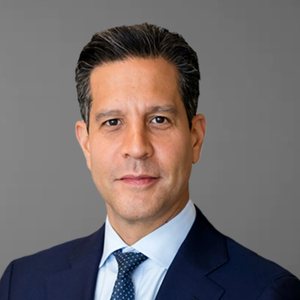
Dr. John Diaz brings together exceptional academic credentials, surgical innovation, and a dedication to achieving superior aesthetic results. An Ivy League graduate of Cornell University, Dr. Diaz went on to receive a prestigious scholarship to Albert Einstei
Asked By: saintrecluse
ANSWER
At 24, it is very uncommon to be a candidate for a traditional facelift, even with a history of smoking or weight loss. In younger patients, facial sagging is usually related to early tissue laxity, volume loss, or skin quality rather than true aging of the deeper structures. In these cases, I may consider a very limited or endoscopic-assisted facelift only in select situations, but more often I focus on targeted treatments that address skin health and volume while preserving natural facial movement.
Asked By: CRlCKYT
ANSWER
At 41, jowling is typically caused by early descent of the deeper facial tissues rather than excess skin alone. While some patients ask about a mini facelift, I often find that it provides limited and short-lived improvement because it does not adequately address the underlying structures. In many cases, an endoscopic-assisted facelift or a more comprehensive facelift approach allows me to reposition the deeper tissues and restore jawline definition in a more natural and longer-lasting way.
Asked By: Optimistic526960
ANSWER
Vertical facial lines can be caused by a combination of muscle activity, skin laxity, and underlying tissue descent, so the best treatment depends on where those lines are located and what’s causing them. In many patients, a facelift, using an endoscopic-assisted, SMAS, or deep plane approach, can significantly soften vertical lines by repositioning the deeper facial structures and restoring natural tension to the skin. In some cases, I may also recommend combining a facelift with targeted treatments such as fat grafting or neuromodulators to further refine the result.
Asked By: DNathanson
ANSWER
A facelift can significantly improve the cheeks and jawline by lifting and repositioning the deeper facial structures, which restores youthful contour and definition. While nasolabial folds are often softened as part of this lifting process, they may not disappear completely, as they are influenced by facial anatomy and movement. In my practice, I tailor the facelift technique, whether endoscopic-assisted, SMAS, or deep plane, based on the areas of concern and degree of laxity, and in some cases I may combine the facelift with fat grafting to further enhance cheek volume and overall balance.
Asked By: Courageous2675
ANSWER
Yes, fat transfer can be an excellent complement to a deep plane facelift. While a deep plane facelift effectively repositions and lifts the deeper facial tissues, fat grafting helps restore volume that is often lost with aging or weight changes. In my practice, I frequently combine fat transfer with a deep plane facelift to improve facial balance, soften transitions, and enhance overall rejuvenation in a natural and long-lasting way. The combination allows me to address both tissue descent and volume loss for a more complete facial rejuvenation.
Asked By: Caring554992
ANSWER
At 39, prominent nasolabial folds and marionette lines are often caused by early tissue descent rather than skin issues alone. Many patients at this age do qualify for a facelift, most commonly an endoscopic-assisted facial rejuvenation, which allows me to reposition the deeper facial structures in a natural way with minimal incisions and downtime. For patients with more advanced laxity, a SMAS or deep plane facelift may be more appropriate. The best approach depends on your anatomy, skin quality, and degree of descent, so a personalized consultation is essential to determine which facelift technique will provide the most natural and effective result.
Asked By: emily_ms
ANSWER
At 27, it’s uncommon to need a traditional facelift, but some patients experience early midface descent due to genetics, weight changes, or facial structure. In these cases, I may recommend a limited or endoscopic-assisted facelift to reposition the deeper midface tissues while preserving natural facial movement and avoiding an overdone look. This approach focuses on subtle lifting rather than skin removal and is better suited for younger patients.
Asked By: jakshops
ANSWER
At 55, a face and neck lift can be performed either together or in stages, depending on your anatomy, health, and personal goals. In most cases, I recommend addressing the face and neck at the same time, as these areas age together and treating them simultaneously creates a more balanced, natural result with a single recovery period. Staging procedures may be appropriate in select situations, but it often prolongs overall recovery and may compromise harmony between the face and neck.
Asked By: KSyl1718
ANSWER
At 37, facial laxity and asymmetry are often influenced more by genetics and early tissue descent than by age alone. In patients like this, I often recommend an endoscopic-assisted facelift to lift and reposition the deeper midface structures while preserving natural facial movement and minimizing visible scarring. This approach is especially well suited for younger patients with midface laxity who want subtle, natural-looking improvement rather than a dramatic change. In some cases, I may also combine the facelift with fat grafting to improve symmetry and restore volume.
Asked By: pawsonmysoul
ANSWER
At 42, the changes you’re describing, heaviness in the lower face, loss of jawline definition, jowling, and sagging, are typically related to deeper tissue descent rather than excess skin alone. In these cases, I generally favor a deeper-plane approach rather than a mini facelift, as it allows me to reposition the underlying facial structures and restore jawline definition in a more natural and longer-lasting way. For some patients with early aging, this can be achieved through an endoscopic-assisted technique, while others benefit from a deep plane facelift depending on anatomy and degree of laxity. A personalized consultation is essential to determine which facelift approach will provide the most balanced and effective result.
Dr. John Diaz delivers exceptional results through attentive listening and personalized care, with patients highlighting natural-looking outcomes in


