
Ikon Plastic Surgery and Medical Aesthetics
2 Wisconsin Circle, Ste. 615, Chevy Chase, Maryland, 20815
Show more
Show more
Show more
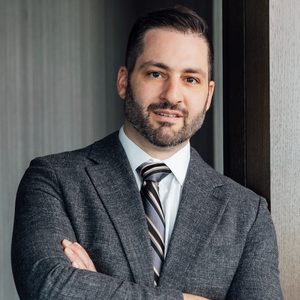
James M. Economides, MD, FACS, is a board-certified plastic surgeon in Washington, DC, and the founder of Ikon Plastic Surgery & Medical Aesthetics, located at 2 Wisconsin Circle in Chevy Chase, Maryland. He is certified by the American Board of Plastic Su
Asked By: bellbluey
ANSWER
I understand your concerns about the various options for achieving fuller, rounder "baby cheeks," especially given the conflicting advice and risks associated with different treatments. Here's a breakdown of the available options and alternatives that might help you achieve the look you want, focusing on safe and effective solutions for your goals. 1. Cheek Fillers (Hyaluronic Acid-Based): Voluma or Restylane Lyft: While Voluma is commonly used for cheek augmentation, it is true that some practitioners avoid placing it directly in the buccal area because it can create an unnatural or overfilled look in this region. However, fillers like Voluma or Restylane Lyft can still be used in the midface or cheekbones to create a more rounded appearance if done conservatively. Pros: Reversible with hyaluronidase, immediate results, customizable for a natural look. Cons: Temporary, with results lasting 12-18 months, and should be done by an expert injector to avoid the "puffy" or unnatural appearance. 2. Fat Transfer: Fat Grafting: While you're understandably hesitant about fat transfer due to weight fluctuations, fat grafting can still be an option. When done by an experienced surgeon, fat can be precisely injected into the buccal and cheek areas to achieve the fuller, rounder look you want. Pros: Long-lasting (potentially permanent) results, natural-looking fullness. Cons: Some of the fat may not survive the transfer, and there's a small risk of asymmetry. Weight changes can affect the fat graft over time, but results can be stable with weight maintenance. 3. Combination Approach: Cheek Filler with Buccal Fat Preservation: Instead of focusing on the buccal area directly, a skilled injector could use fillers in the malar region (the upper part of the cheek) to lift and enhance the natural cheek contour. This combined with minimal filler in the lower cheek could give the full, round appearance without overfilling. Pros: More control over the outcome and ability to blend volume throughout the face. Cons: Requires a highly skilled injector to balance the look. 4. Sculptra: Collagen Stimulator: While you mentioned fat transfer as a concern, another option is Sculptra, which works by stimulating collagen production in the injected areas. It’s not an immediate filler, but it gradually builds volume and can give a more natural, long-lasting result. Pros: Gradual and natural volume increase, long-lasting (up to 2 years or more). Cons: Takes multiple sessions to see results, and it’s not reversible like hyaluronic acid fillers.
Asked By: bitlite
ANSWER
Yes, filler injections in the hollow of the cheeks can potentially cause bruising, but there are ways to minimize the risk. Bruising occurs when the needle or cannula used during the injection hits small blood vessels beneath the skin. Several factors, including the injection technique, play a role in whether bruising happens. 1. Administration Technique: Cannula vs. Needle: Using a cannula instead of a needle can reduce the risk of bruising. Cannulas are blunt-tipped and less likely to puncture blood vessels compared to needles, making them a popular choice for areas prone to bruising, such as the cheeks. Experienced Injector: A skilled injector familiar with facial anatomy will be more likely to avoid blood vessels during the injection, minimizing the chance of bruising. The injector's technique, such as injecting slowly and avoiding over-manipulation of the tissue, can also help reduce trauma to the area. Layer of Injection: Injecting the filler deeper into the tissue, where there are fewer superficial blood vessels, can also lower the risk of bruising. 2. Ways to Avoid Bruising: Avoid Blood Thinners: Stop taking aspirin, ibuprofen, and other blood-thinning medications or supplements (like fish oil or vitamin E) for about a week before the procedure, unless medically necessary. Avoid Alcohol: Refrain from drinking alcohol for at least 24-48 hours before your injection, as it can thin the blood and increase the likelihood of bruising. Cold Compresses: Applying a cold compress to the area before and after the injection can constrict blood vessels and help prevent bruising. Arnica or Bromelain: Some people use Arnica gel or Bromelain supplements before and after the procedure to reduce bruising and swelling. Post-Treatment Care: After the procedure, avoid strenuous activity, excessive heat (like saunas), and massaging the area for the first 24-48 hours to minimize trauma. 3. Expectations: Even with all precautions, some people may still bruise due to their skin’s sensitivity or underlying vascularity. However, working with an experienced injector who uses appropriate techniques (like a cannula) and following pre- and post-care instructions can significantly reduce the chances.
Asked By: dgkutschera
ANSWER
It's understandable that you're looking for more effective solutions to restore the lost volume in your lower cheeks. While Sculptra is a popular option for collagen stimulation, results can take several months to become noticeable and may not provide the immediate fullness you’re seeking. Here are some alternative options that may give you more noticeable and faster results: 1. Dermal Fillers (Hyaluronic Acid-Based) Juvederm Voluma, Restylane Lyft: These hyaluronic acid (HA) fillers provide immediate volume and are specifically designed to restore fullness in the cheeks. HA fillers are ideal if you're looking for a quicker, more noticeable improvement compared to Sculptra. Benefits: Immediate results, can be customized for the level of volume you need, and can be dissolved if you're unhappy with the results. Duration: HA fillers generally last between 12-18 months. 2. Fat Transfer (Fat Grafting) How It Works: Fat is harvested from another part of your body (such as your abdomen or thighs) and injected into the face to restore lost volume. Benefits: Since it's your own fat, the results are natural-looking and longer-lasting. This procedure can permanently restore volume if the fat takes well. Considerations: The recovery is slightly longer compared to fillers, but the results can be very effective for individuals seeking natural, long-term volume restoration. 3. Radiesse (Calcium Hydroxylapatite) How It Works: Radiesse is a dermal filler that not only adds volume but also stimulates collagen production over time. It’s thicker than HA fillers and can provide structural support to the lower face and cheeks. Benefits: It offers more immediate volume with longer-lasting results (up to 18 months) compared to HA fillers. Considerations: Radiesse is not reversible, so it's important to be confident in the treatment plan.
Asked By: kn7402
ANSWER
Based on your goals to reduce laugh lines, slim your mid and lower face, sharpen your jawline, and reduce the underchin bulge, there are a variety of both non-surgical and surgical procedures that could help you achieve the look you want. Here’s an overview of some effective options: 1. Laugh Line (Nasolabial Fold) Reduction: Dermal Fillers: Fillers, like hyaluronic acid (e.g., Restylane, Juvederm), are commonly used to soften laugh lines by filling in the creases. A small amount of filler can provide natural-looking results. Skin Tightening Treatments: Non-invasive treatments like radiofrequency (RF) microneedling or laser resurfacing can tighten the skin and reduce the appearance of laugh lines by stimulating collagen production. 2. Cheek Bulging and Slimming the Mid and Lower Face: Buccal Fat Removal: If you feel that the fullness in your cheeks is due to excess fat, buccal fat pad removal can help slim the midface and create a more defined contour. This procedure involves removing the fat pads in the cheeks to reduce fullness. Botox for Masseter Muscles: If your jaw appears wide due to overactive masseter muscles (the chewing muscles), Botox injections can slim the lower face and jawline, resulting in a more tapered look. This can also help with reducing the prominence of the cheeks near the lip corners. Chin and Jawline Contouring Fillers: Dermal fillers can be used to sharpen the jawline and chin, giving a more sculpted appearance. Hyaluronic acid fillers, like Juvederm Volux, are commonly used for jawline definition. 3. Underchin Bulge Reduction: Kybella: This injectable treatment is specifically designed to reduce submental fat (under the chin) by dissolving the fat cells. Multiple treatments may be needed for optimal results. Liposuction: If you have more significant underchin fullness, submental liposuction may be a better option for targeted fat removal. This is a minimally invasive procedure that can provide more dramatic and permanent results. Ultherapy or RF Skin Tightening: These non-invasive treatments use ultrasound or radiofrequency energy to tighten the skin under the chin, which can also help reduce the appearance of fullness. 4. General Slimming and Contouring: Non-Surgical Face Slimming: Treatments like Ultherapy (ultrasound-based skin tightening) or Thermage (radiofrequency skin tightening) can help lift and firm the skin, providing a more contoured look to the mid and lower face. Fat Transfer: If you want more long-term results, fat transfer can also be used to sculpt the jawline and reduce fat in unwanted areas. This technique harvests fat from one part of your body and uses it to sculpt areas like the chin and jawline. Final Recommendations: Consult with a Plastic Surgeon or Dermatologist: Since each person’s facial structure is unique, it’s important to have a consultation to discuss the best options for your specific facial anatomy. A combination approach may work best for you, such as addressing both volume reduction and contouring. Non-Surgical vs. Surgical: If you’re looking for less invasive options, start with treatments like Botox, fillers, and non-invasive skin tightening. For more dramatic results, procedures like buccal fat removal or submental liposuction can provide longer-lasting changes. By combining the right procedures, you can achieve a slimmer, more contoured face with a sharper jawline while reducing the appearance of laugh lines.
Asked By: Imaginative161897
ANSWER
To detect the exact location of residual hyaluronic acid (HA) filler, an MRI can be helpful. The type of MRI you would need depends on the filler material, but for hyaluronic acid fillers specifically, here's what to consider: 1. Type of MRI: High-Resolution MRI: This is typically recommended for soft tissue evaluation. A 3 Tesla (3T) MRI machine offers a higher resolution and more detailed images, which can help differentiate between filler, fat, and natural tissue. Fat-Suppressed MRI: Since HA fillers are often used in soft tissues that contain fat, requesting a fat-suppressed MRI can help better visualize the filler by reducing the signal from the surrounding fat. Non-Contrast MRI: For most HA fillers, a non-contrast MRI is typically sufficient to visualize the material, so you likely don’t need contrast unless recommended by your radiologist or provider. 2. Specific Area to Scan: Be specific about the areas where you believe the filler remains (e.g., cheeks, lips, under-eye area), so the MRI can focus on those regions. This can provide more detailed imaging for the areas of concern. 3. Consult with a Radiologist or Plastic Surgeon: It's always a good idea to consult with a radiologist or plastic surgeon beforehand to ensure you're ordering the appropriate type of MRI for detecting filler. They can provide more specific guidance based on your case and areas of concern. Once the MRI identifies where the filler remains, you can proceed with a targeted plan for dissolving the remaining product.
Asked By: daenerysreturns
ANSWER
It’s understandable that you’re concerned about the lack of improvement after your treatment. Here are some factors to consider: 1. Cheek Fillers for Under-Eye Bags: Why Cheek Filler Was Recommended: In some cases, under-eye bags and hollows can be caused by volume loss in the midface (cheeks). Restoring volume to the cheeks can provide a subtle lift and reduce the appearance of under-eye bags indirectly by improving the transition between the cheeks and the lower eyelids. Half a Milliliter: Half a milliliter in each cheek is a relatively small amount of filler. While it may provide some lift, it might not be enough to significantly affect the appearance of your under-eye area, especially if you have noticeable bags or hollowness. Typically, cheek augmentation requires more volume for a noticeable change. 2. Tear Trough Fillers: If the primary issue is under-eye hollows or bags, cheek fillers alone may not be enough. Tear trough fillers specifically target the area under the eyes and can improve the appearance of dark circles and bags. Some patients are not ideal candidates for tear trough filler due to thin skin or puffiness, which might be why the injector recommended against it. 3. Further Treatment: Additional Cheek Filler: If the injector felt that cheek volume loss was the primary issue, adding more filler to the cheeks might help improve the appearance of the under-eye area. However, overfilling the cheeks can sometimes make the face look unbalanced, so it’s important to proceed cautiously. Alternative Treatments: If you’re still unhappy with the results, consider discussing other options with your provider, such as under-eye laser treatments, microneedling, or PRP (Platelet-Rich Plasma) for under-eye rejuvenation.
Asked By: Terrific244115
ANSWER
I understand your frustration with this situation. Cheek filler, especially when not needed, can create a rounder appearance and sometimes make the under-eye area look worse due to changes in facial contours. Since you’re concerned about dissolving based on horror stories, here's what you should know: 1. Filler Duration: Hyaluronic Acid Fillers (such as Juvederm or Restylane) typically last between 6-18 months, depending on the specific product, your metabolism, and how much was injected. Over time, your body will naturally break down the filler, and the effects should diminish. If you want to avoid dissolving the filler with hyaluronidase, the filler will gradually reduce on its own over the next several months. 2. Swelling vs. Final Result: While it’s been over a month, some subtle swelling may still be present. It usually takes around 4-6 weeks for fillers to fully settle, but since you mentioned you're definitely done with swelling, it's likely that what you're seeing now is the final result. 3. Concerns About Dissolving: Dissolving with Hyaluronidase: Many people worry about dissolving filler due to concerns about potential side effects. However, if performed by a skilled injector, dissolving can be done in a controlled and targeted way to reverse the filler without complications. If you feel your face looks overfilled, dissolving a small amount of the filler in the cheeks might restore the balance without making drastic changes. 4. Your Options: Wait It Out: If you're too anxious about dissolving, you can wait for the filler to gradually break down over the next several months. Consult an Experienced Injector: If you want to consider dissolving but are worried, seek a second opinion from a highly skilled injector who can assess whether a small, localized dissolving treatment might help without affecting the rest of your face. Alternative Treatments: If under-eye hollows remain a concern, after the cheek filler has settled or dissolved, you might consider specific tear trough filler to address this area more directly.
Asked By: DeannaS
ANSWER
Swimming after surgery, especially major procedures like brachioplasty, abdominoplasty, and liposuction, requires careful timing to avoid complications like infection or delayed healing. Even in a saltwater pool, which may be gentler than chlorinated water, it's essential to ensure that your incisions are fully healed. General Guidelines for When to Swim: Wait for Incisions to Close: The most important factor is ensuring that your incisions are fully healed and sealed. This usually takes 4-6 weeks, but it can vary depending on your body's healing process and your surgeon’s protocol. Even though a saltwater pool might help with healing, swimming too soon can introduce bacteria into open or healing wounds, increasing the risk of infection. Consult with Your Surgeon: Every case is different, and your surgeon will have the best understanding of your healing progress. They can advise you on when it's safe for you to swim based on the condition of your incisions and how well you're healing. Check for Signs of Healing: Before swimming, ensure that there is no scabbing, redness, oozing, or irritation around the incision sites. The skin should be fully closed and look healthy. Estimated Time for Swimming: Brachioplasty and Abdominoplasty: Typically, swimming is not recommended until at least 6 weeks post-op or until your surgeon gives you the all-clear. These are major surgeries with large incisions that need time to heal properly. Liposuction: If it’s minor liposuction, the healing process is quicker, but it’s still wise to wait until all wounds are closed and healed (around 4-6 weeks). Saltwater Pool Considerations: Gentle on Skin: Saltwater pools are gentler than chlorinated pools, but they still carry bacteria, so it’s crucial not to rush back into the water. Showering After: Once your surgeon clears you for swimming, always shower with clean water and gently pat the incisions dry after swimming to remove any potential contaminants.
Asked By: verholj
ANSWER
I'm sorry you're dealing with this discomfort after your brachioplasty. The pain you're describing in your forearms, wrists, and hands isn't commonly associated with brachioplasty or compression sleeve use, so it's understandable that your doctor's office hasn't encountered it before. However, there could be several potential causes: 1. Nerve Compression or Irritation: Sometimes, after surgery or due to prolonged use of compression garments, nerves in the arms, forearms, or wrists can become irritated or compressed. This could lead to pain, a pulling sensation, or even numbness and tingling. 2. Tendon or Muscular Strain: Your arm surgery may have caused some strain on the muscles or tendons in your forearms and wrists, especially if there has been swelling or tension in the tissues during healing. This could create the tight, pulling sensation you're describing. 3. Compression Garment Fit: While compression garments are essential for healing, an improperly fitted sleeve could cause excessive pressure on certain areas, potentially irritating nerves or muscles in the forearm and wrist area. What You Can Do: Consult Your Surgeon Again: Since you're still experiencing discomfort, it’s important to bring this up with your surgeon again. You may want to request an in-person evaluation to assess whether your symptoms could be related to nerve compression or something else. They might refer you to a specialist like a neurologist if necessary. Evaluate the Fit of Your Compression Garments: It’s worth double-checking the fit of your compression sleeves with your surgeon to ensure they aren’t causing undue pressure. They might recommend trying a different size or style. Consider Gentle Movement or Physical Therapy: In some cases, gentle range-of-motion exercises or physical therapy can help relieve tension in the muscles and tendons. Ask your surgeon if this is appropriate for your stage of recovery. Persistent pain like this is not typical, and it’s important to get a thorough evaluation to ensure your healing is on track.
Asked By: Adventurous1872
ANSWER
I'm sorry to hear that you're experiencing this concern. Signs of an infection can include increased redness, swelling, warmth, pain, or discharge in the affected area. To ensure proper healing, it's important to consult a healthcare professional who can provide a thorough assessment and appropriate guidance. In the meantime, keeping the area clean and following any care instructions you've received can help promote healing.
Dr. James M. Economides is highly regarded for his expertise in various plastic surgery procedures including , , , , , , , , and . Patients consistently praise his professionalism, effective communication, and the natural results he achieves. His attentive post-operative care and the supportive staff contribute to a positive overall experience.