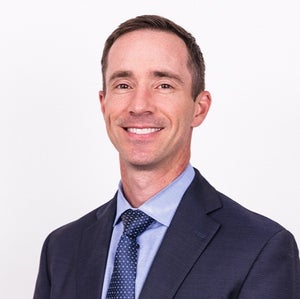
Dr. Fletcher grew up in the Pacific Northwest. He earned his undergraduate degree in Health Science at Walla Walla University and his M.D. degree at the University of Washington School of Medicine. Dr. Fletcher then went on to complete a 7 year, integrated
Asked By: bridgette11
ANSWER
A well executed facelift that produces lasting results (10 years or more) must address all the key deep structures of the face that contribute to facial aging. These procedures are time tested, reliable, and can achieve beautiful, long lasting results. They re-suspend the supporting structures of the face, address the deep structures of the neck, and restore balanced facial volume. Deep plane lifts are not "mini lifts," "lifestyle lifts," or "3 day lifts." They require skill and intimate anatomical knowledge on the part of the surgeon. In addition, they required commitment to a real recovery on the part of the patient. Over the last 30 years, there have been numerous "minimally invasive," "fast recovery" procedures promoted by many surgeons. Some of the techniques can help patients in their 30s and 40s age more gracefully. None of them have been shown to reliably provide lasting results to the average 60 year-old. They can't provide lasting results because they intentionally do not perform all the maneuvers necessary to do so. Results from these procedures in your age group often do not last more than a few months. Correctly performed facelifts are not skin tightening procedures. Be weary of anyone who suggests otherwise.
Asked By: MNmommy90
ANSWER
Unfortunately, I think you are correct on both counts. The photos definitely confirm inferior migration of our implants and strongly suggest failure of the rectus plication. Both will eventually need to be surgically corrected.
Asked By: whitbv
ANSWER
I would start with an in person exam to assess your soft tissues and abdominal wall. I would likely get an ultrasound to rule out a seroma. If no seroma was identified, and your physical exam suggested an abdominal wall problem, I would consider a CT scan to assess your abdominal wall or explore with surgery.
Asked By: RealSelfMember0998938
ANSWER
It depends on the thickness and density of your breast tissue where it blends with your chest along the upper breast boarder. Generally speaking, if your pinch test in this location produces a skin-to-skin thickness of 2 cm or more, you are a candidate for breast augmentation on top of the muscle. Sientra textured anatomic implants work exceptionally well for women with your breast shape when placed in the sub facial position (under the connective tissue on top of the muscle). Textured implants may not be as safe as smooth implants. You should have a detailed discussion with your surgeon about the merits of each implant type before making your decision. Best of luck!
Asked By: Mgirl202
ANSWER
Personally, I recommend women wait a minimum of 6 months and/or until all milk production has stopped.
Asked By: Brittbrat95
ANSWER
A correctly selected implant will lift your nipple position. It is unlikely that the lifting effect of the implant will be enough to perfectly position your nipple in the ideal location relative to your breast volume. However, with a history of keloids, that may be a reasonable compromise. In these situations, I recommend the patient proceed with the breast augmentation and live with their new breast shape and nipple position for a year. If they are happy, no additional surgery is necessary until the aging changes of the breast require a lift. If the patient is unhappy, they get the lift. But, at least they know they need it and have made the decision based on their own experience. This strategy is especially useful if the risk of keloid formation is high.
Asked By: fdlt777
ANSWER
Confirming that your plastic surgeon has hospital privileges is an important method of identifying legitimate surgeons. Gaining privileges at a hospital means that the surgeon in question has been vetted. That means the hospital has confirmed the surgeons training and board certification. The hospital has been made aware of any lawsuits and/or complaints against the surgeon. And they have confirmed the surgical skill of the individual in question as meeting standards of care criteria. However, not all hospitals will allow cosmetic surgery services in their facilities. So, you should identify a board certified plastic surgeon with hospital privileges at a facility that will allow cosmic surgery.
Asked By: Gatita0
ANSWER
A well selected implant that respects your breast footprint dimensions and tissue type can provide decades of beautiful shape. Planning and implant selection are key.
Asked By: Bktucker
ANSWER
Implant volume, profile and positioning are all critical elements of a well performed breast augmentation. The implant must sit within the ideal footprint of your breast. Think of the footprint like the foundation of your home. If the nipple and breast tissue sit too far below the footprint, then the tissue will hang off the implant and look unnatural. I think that detail underlies your concern for whether or not your implants would drop enough to support your natural breast tissue. Based on your photo, I think a well selected implant would support your tissue correctly.
Asked By: Stash18
ANSWER
The most likely explanation is that one or more sutures or suture fragments are infected. Some surgeons use permanent sutures around the circumference of the areola to prevent the areola tissues from stretching. If that is the case, than the sutures need to be removed. You should see your plastic surgeon for a physical exam and have them manage this for you. There is a low risk of other potential causes of breast skin redness that must be ruled out.
Dr. Derek Fletcher has received consistently high ratings from patients across various procedures including , , , , , and . Patients praise his attentiveness, professionalism, and exceptional surgical skills. His ability to make patients feel heard, cared for, and at ease is a common theme. His post-operative support and communication are also highly appreciated.