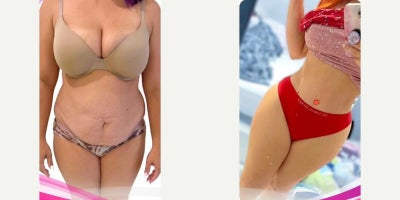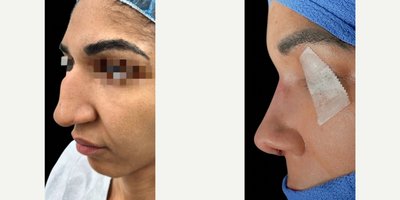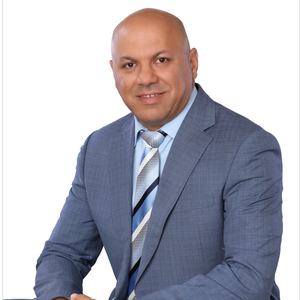
Dr. Benjamin Liliav is a Board Certified Plastic Surgeon practicing in Miami, Florida. He specializes in cosmetic and reconstructive surgery of the face, body, and breast such as Breast Augmentation, Breast Implants, Breast Lift, Breast Fat Transfer, Breast Im
Asked By: sdnatvbb
ANSWER
Hello, thank you for your question. A traditional SMAS lift primarily targets the lower face and jawline, often leaving the central midface under-corrected. Depending on your anatomy, an endoscopic midface lift, deep-plane revision, or targeted volume restoration (fat grafting/fillers) paired with a corner lip lift can effectively elevate the cheeks and mouth corners.
Asked By: Mo200081
ANSWER
Hello, thank you for your question. Diffuse Bellafill is extremely difficult to remove surgically because it integrates into soft tissues. While discrete nodules can sometimes be excised during a facelift, diffuse filler generally cannot be selectively removed to treat chronic inflammation, making a facelift an ineffective primary solution for this complication.
Asked By: pentacles
ANSWER
Hello, thank you for your question. Because heavy cheek tissues and thick skin respond poorly to filler alone, a deep plane facelift combined with lower blepharoplasty (fat repositioning) offers the most effective, lasting lift. This surgically repositions descended malar fat pads, softens nasolabial folds, and creates a seamless lid-to-cheek transition.
Asked By: bellababb
ANSWER
Hello, thank you for your question. At age 30 with post-weight-loss laxity, a deep plane facelift (DPFL) or extended SMAS technique usually provides the most natural, long-lasting lower-face and neck release without a "pulled" look. Mini-facelifts often lack the deep release needed for substantial tissue repositioning. Consult a board-certified revision/facelift specialist.
Asked By: mossice
ANSWER
Hello, thank you for your question. Yes, at 37, less invasive options exist. Full-face fat grafting alone can restore lost mid-cheek volume, lift descending tissue, and camouflage jaw asymmetry without surgery. Alternatively, an endoscopic midface lift or short-scar SMAS facelift effectively elevates the cheeks and mouth corners with less downtime than a deep plane approach.
Asked By: Charming792998
ANSWER
To improve the lower eyelids and side profile, common options include lower blepharoplasty or fillers for tear troughs, and a chin implant, genioplasty, or jaw contouring to enhance jawline definition and balance facial harmony.
Asked By: GirlOnEarth
ANSWER
Targeted micro-liposuction or radiofrequency microneedling (like Morpheus8 or FaceTite) can selectively tighten skin and reduce fullness along the lower jawline without affecting upper-cheek volume. For a subtle lift, a conservative lower-face or mini-facelift repositions descending tissue upward while keeping your natural mid-face fullness intact.
Asked By: PersephoneWC
ANSWER
Hello, thanks for your question. At 42, concerns typically involve a mix of early tissue descent and mild volume loss A combination of targeted volume restoration (fat transfer) and repositioning (midface lift) often yields the most natural, subtle rejuvenation when non-surgical options fall short.
Asked By: SerenaStar
ANSWER
Hello, thanks for your question. A lower facelift addresses skin and tissue sagging, not excess facial fat. For a V-shape, options include buccal fat removal, jawline contouring, or radiofrequency tightening. Consult a board-certified plastic surgeon to assess your facial structure.
Asked By: Intellectual272212
ANSWER
Given your concerns about dark skin, hyperpigmentation, and potential scarring, avoiding surgery is a valid choice if scars would outweigh the benefits of a lift. However, consulting a board-certified plastic surgeon about scar-reduction options or non-surgical skin tightening is recommended.
Dr. Benjamin Liliav consistently delivers exceptional surgical results and attentive care across a wide range of procedures. Patients praise his ability to listen, explain options clearly, and create personalized treatment plans that boost confidence and satisfaction. Many highlight his warm bedside manner, timely communication, and the supportive environment provided by his staff, leading to smooth recovery experiences and high patient happiness.