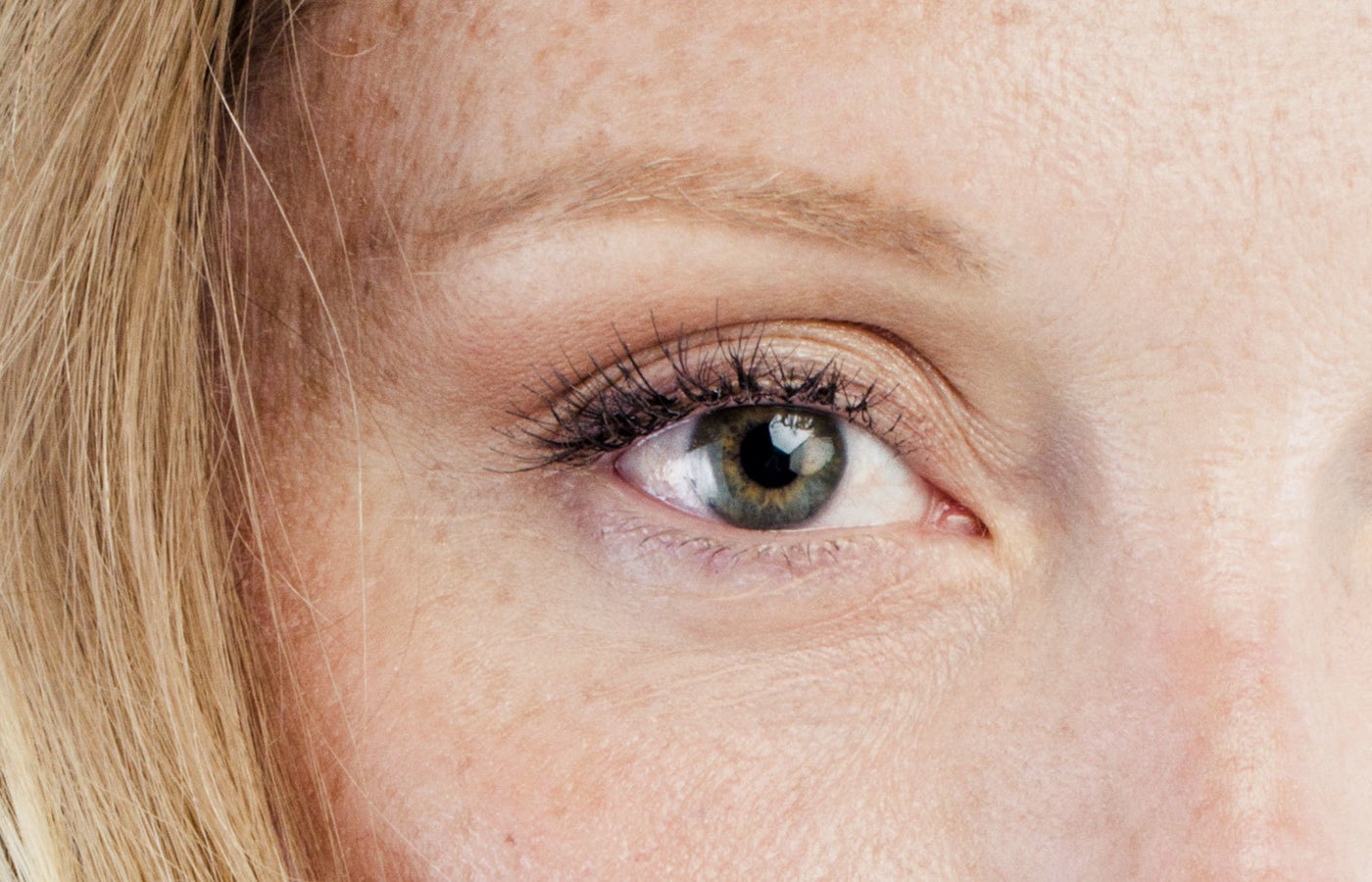
Upper Eyelid Swelling After Blepharoplasty Doctor Answers, Tips
Eyelid Surgery: Q&A
Ask a Question

Upper Eyelid Swelling After Blepharoplasty

I had one of my upper eye lids lifted just a little, to match my other eye lid. Now after one week, I'm still noticing that the swelling comes and goes after sleeping. I'm wondering if my doctor injected some kind of saline or some kind of filler because if I lay down, it becomes swollen all over again, just on that one side of my face. Half my face is swollen and the swelling seems to move around on that one side of my face only!

30 Doctor Answers | Asked by freakin out girl in scottsdale ,az
+5

Eyelid swelling will decrease in two to three weeks

Your eyelids will remain very swollen and bruised for one week and then gradually go down over the next three weeks. Every time you lie down flat, the eyes will swell more. Keep your elevated while sleeping.
+3

Reason for undergoing Blepharoplasty not clear

It is not clear what is the reason for undergoing the surgery. Blepharoplasty can be performed for extra skin in which case the recovery is relatively rapid. However, swelling can be present for many weeks and usually worse in the morning after lying down all night and mostly effects the skin laying between the incision and eyelash line. This will usually become dramatically better after 3 weeks. If lasting more than this it may be an indication of a dry eye but should be evaluated by your... more
+3

Swelling changes when we lay down

What you are experiencing is, in all likelihood, normal. Swelling that comes with reclining and goes away a while after you get up is usually not a dangerous situation, although it is always helpful to check in with your doctor to be sure. Particularly in the head and face, when we lie down, we lose the effect that gravity provides in the upright position- gravity pulls any excess fluid down, which is why you might notice that your feet may swell during the day but be better in the... more

You might also like...

Real Stories

Dr. Gentile Performed a Miracle on my Eyes! - Youngstown, OH

A picture is worth a thousand words! I'm including pictures and you can see for yourself. I...

Before + After Photos

View 2049 Eyelid Surgery photos
+2

Your swelling is probably normal, but follow up with your surgeon.

It is quite normal to experience swelling one week out following an upper eyelid tuck (blepharoplasty) procedure. Nevertheless, it is imperative that you follow-up with your surgeon to make sure that there are no other problems going on. We typically advise our patients during the first week to avoid lifting anything weighing more than 10 lbs. and to avoid any strenuous exercises. Because swelling is so common even while sleeping, it is prudent to sleep with the head elevated on one-two... more
+2

See your doctor

While swelling after any surgery is of course normal, it would be best to see your doctor to make sure you have not developed an infection in the operated area. It is a bit unusual to see significant swelling in the face a week after a simple blepharoplasty. If there is no evidence of an infection, he may recommend warm or cool compresses and elevation of the head at nighttime. You may also want to discuss with him your activity level (i.e. working out), which can worsen early... more
+2

Everything is normal!

Relax and enjoy your excellent plastic surgery. After one week to have some swelling is absolutely normal. The fact that the swelling comes and goes is normal and supports the fact that it is not permanent and is dependent. This means that if you move to one side, gravity can pull the fluid causing the swelling to that side. I often tell my blepharoplasty patients to avoid their mirror for at least two weeks.
+2

Swelling After Blepharoplasty

Hi Freakin', No need to keep freaking out. Be patient and the swelling will resolve. I agree with the other docs answers. Sometimes it takes a little time for the lymphatic vessels to re-establish their connections. Try to continue sleeping with your head elevated on a few pillows so that your eyes are above the level of your heart. You may also try Bromelene (pineapple extract) or daily fresh pineapple, along with other anti-oxidant foods (berries, etc.). Some patients swear by Arnica... more
+2

Puffy Eyes, No Surprise

Swelling is normal after upper eyelid surgery, and may last longer than a week in many cases. Most commonly, the swelling is worse when patients awake from sleep, since their heads and faces are at the same level as the heart. Typically, as patients remain upright over the course of the day, the swelling diminishes because the lymphatic tissue fluid that has built up overnight can now drain away from the eyelids with the assistance of gravity, so the swelling is usually at it's minimum... more
+2

How to avoid swelling after blepharoplasty

Sleeping with your head elevated compared to your pelvis will help to prevent the edema, as others have said. In addition, you may naturally roll to one side or turn your head to one side while sleeping - most of us do. The side that you normally lay on will be dependent. Fluid will tend to flow to the dependent side and cause edema or swelling.
+2

Swelling is normal

You raise a good question about swelling. Swelling after any surgery is normal. However, swelling after eye surgery can take several days to weeks to resolve. The tissues around the eye are very thin, so any trauma (surgery) can cause significant irritation and accumulation of fluid in the weak tissues. Since you only had surgery on one eyelid, it is expected that only that side would be swollen - as you accurately describe. The best way to help with swelling is to keep your head... more
+2

Swelling after blepharoplasty can last longer than a week

It is not unusual to have some residual swelling one week after a blepharoplasty. Postoperative swelling can have a dependent nature, meaning that gravity will cause fluid to accumulate when lying flat. This generally subsides within 10 days, but it can be present for a few weeks. Warm compresses can help to resolve swelling. Sleeping with the head elevated with more than one pillow can also minimize the amount of fluid that bulids up over the night. If there is significant swelling... more
+1

Elevating Your Head at Night Following Blepharoplasty May Help Accelerate Your Recovery & Alleviate Your Swelling

Eyelid swelling is extremely common following blepharoplasty. Following surgery, the majority of the swelling has disappeared in about a week, but small amounts may persist for up to a month. The swelling is typically worse in the morning, after lying down all night. It tends to improve during the day when the patient is in the upright position. It appears that your swelling is probably normal and would be anticipated after this type of procedure. Elevating your... more
+1

Swelling after ANY surgery

Surgical operations are done by making cuts and re-arranging tissues. This process disrupts the normal lymphatic flow in the region, and until that heals, you will see swelling around the site of the operation. Post operative swelling from the "trauma" of the operation peaks at 48-72hrs, and then subsides. Swelling related to the lymphatic re-arrangement persists a long time after surgery (up to a year or longer). With operations that create big changes (breast... more
+1

Swelling after Upper Eyelid Lift

You should expect that swelling after an upper eyelid lift will gradually subside over several weeks to a few months. Some bruising accompanies the swelling in the first 1-2 weeks, but actually goes away first. Most of the swelling is gone within a few weeks, but some may hang around for a few months, so you will see subtle changes over time, even though you should see improvement form your surgery with the first week or two. What you describe after just one weeks seems... more
+1

Upper Eyelid Swelling After Blepharoplasty

It is normal to experience swelling and bruising the first week post op and also slight swelling a few weeks past that. Check with your surgeon to ensure you have not developed an infection however. If no infection is present, elevating the head more during sleep and cool compresses may help. "Dr.D" see video
+1

Swelling After Blepharoplasty

It is not uncommon to have swelling in your upper eyelids for 4-6 weeks or longer depending on how much other work was done including fat and muscle removal. The swelling will subside over time. The key is operative precision, adequate hemostatis, and shaping of the eyelid including placement of the eyelid incision to maximize the shape and contour long term.
+1

Upper Eyelid Swelling 1 Week After Blepharoplasty, Normal?

Your case is a bit different as you addressed only one side. Having said that it is very early in the course of healing. Swelling will get better with time. You swell more when your head is not elevated higher your heart. Our office has our face/eyes/neck lift patients sleep with their head elevated for at least a week. We find that this, along with ice, helps. Make sure you check with your Plastic Surgeon.
+1

This is normal

When you lie down, gravity works against you, causing fluid to settle in the eyelids. When you then arise and are upright, gravity works for you and the fluid leaves the eyelid. This is completely normal, and usually doesn't resovle for about 3 months. You can prevent this from happening by keeping your head slightly elevated at night.
+1

Too early to worry about eyelids

It is still early to worry about your upper lid. The edema will decrease over time. Injecting saline is not part of the procedure. Have faith. It will improve.
+1

Swelling is very normal

Don’t be alarmed, this is usually normal. Swelling typically is most visible week one, and will gradually subside throughout the next two weeks. My recommendation is to sleep with your head elevated and the regular use of ice to prevent addition swelling. Be sure to wear sunglasses when outside!
+1

Upper Eyelid Swelling After Blepharoplasty

Its normal to have swelling that changes for the first couple weeks after eyelid surgery. Usually after then, things begin to stabilize and you will see improvements every week. Things that can make swelling worse: Gravity: A good rule is to keep your head above the level of your heart. A couple of pillows is usually sufficient when resting. Exercise or exertion: When your heart rate goes up so does the blood pressure in your face. The tissues affected by surge... more
+1

After 1 week swelling of the upper eyelid following surgery is not uncommon

After only 1 week, swelling of the upper eyelid following surgery is not uncommon with changes in body position, and especially with changes in altitude. For this reason I advise avoidance of bending over and heavy lifting, as well as sleeping with the head elevated (i.e. using 3 pillows) for at least 2-4 weeks following eyelid surgery. Many patients fly from other parts of the country and other parts of the world for their surgery with me. These patients are advised to expect a... more
+1

Upper Eyelid Swelling After Blepharoplasty

It is normal to have swelling after eyelid surgery.  It sounds like you had ptosis surgery as opposed to blepharoplasty since ptosis surgery actually lifts up the eyelid as opposed to blepharoplasty which just removes extra skin and fat.  Some ptosis repairs can cause significant swelling, depending on the approach.  If your physician is not worried about an infection, this will probably just improve over time.  By 6 weeks it should be mostly healed.
+1

Don't Evaluate Your Result at One Week

One week is way too soon to evaluate any result. I would definitely suggest waiting at least 6-8 weeks before you determine how things will look. If you are concerned though, certainly speak with your surgeon about your results.
+1

Why is only one side of my face swollen

First you are way to early to be complaining about your result.  It takes 6 to 8 weeks for surgery on the face to settle down and see close to what your end result will be.  Second, you only had half of your face operated on and it is the side that swell and goes up and down.  Now for the reason why you have intermittent swelling. The human body is like a COKE bottle.  When you si t it up the fluid in the bottle goes to the bottom and when you lie it on its side... more
+1

Be patient

One week is very early. You are early in the healing process and need to be patient and stay in touch with your surgeon. Swelling can be variable and since only your surgeon knows exactly what was done at the time of surgery, he or she is best equippeed to deal with your questions/concerns in the post-op period.
+1

Swelling is not abnormal after upper blepharoplasty

upper eyelid swelling is not abnormal after blepharoplasty for up to 6-8 weeks. cold or warm compresses, reducing activity level, and rest helps resolves this. Obviously, you also need to see your plastic surgeon to make sure that you don't have an infection, etc. Finally, anti-inflammatory eyedrops might also help. yours, Sean Younai, MD, from beautifulfigure.com
+1

Swelling after Upper Lid Blepharoplasty

It is very normal to have intermittent swelling after blepharoplasty, especially after lying down at night. If you had a prior blepharoplasty in the same eye and are having a small revision it may take longer for the swelling to go away compared to the first time. Generally it takes 2-3 weeks for 90% of the swelling to go away. It will really take a month or longer before you can judge your result. You should make sure it is not painful, warm, or red which combined with swelling could be... more
+1

Swelling is normal

Swelling (even swelling of the face) after eyelid surgery is quite normal. In some cases, swelling may last up to a few months.
+1

Normal

Swelling is normal a week after surgery as long as you don't have fever chills or drainage fromt he incision line.  The swelling is usually worse in the AM.  This should get better over time.
Doctors will not see your comments on their answers. If you'd like to follow up, please go here to ask another question.

Comments (1)

new eye surgery 27 Jul 2012
Your vision might be blurred for a few days ,though if this persists you should notify your doctor.Small milia, or whiteheads, can appear near the incision and your eyes are likely to itch, burn and feel dry.
eye surgery

Ask a Question

Welcome Back

Sign in with Facebook

Your information remains private and will not be posted without your permission.

Forgot your password?

Don't have an account? Create one now.

Join RealSelf

Join with Facebook

Your information remains private and will not be posted without your permission.

Please enter a valid email address
 Did you mean ?

By creating an account, you are indicating that you have read and accept the RealSelf Terms of Use.

Already a member? Sign In.

Retrieve your password

Enter your username or email address and we will send you a link to login.

Check your email

Check your email. We've sent you a link to reset your password.

Ok