Seroma or Normal Swelling 15 Weeks After Tummy Tuck? Doctor Answers, Tips
Tummy Tuck: Q&A
Ask a Question

Seroma or Normal Swelling 15 Weeks After Tummy Tuck?

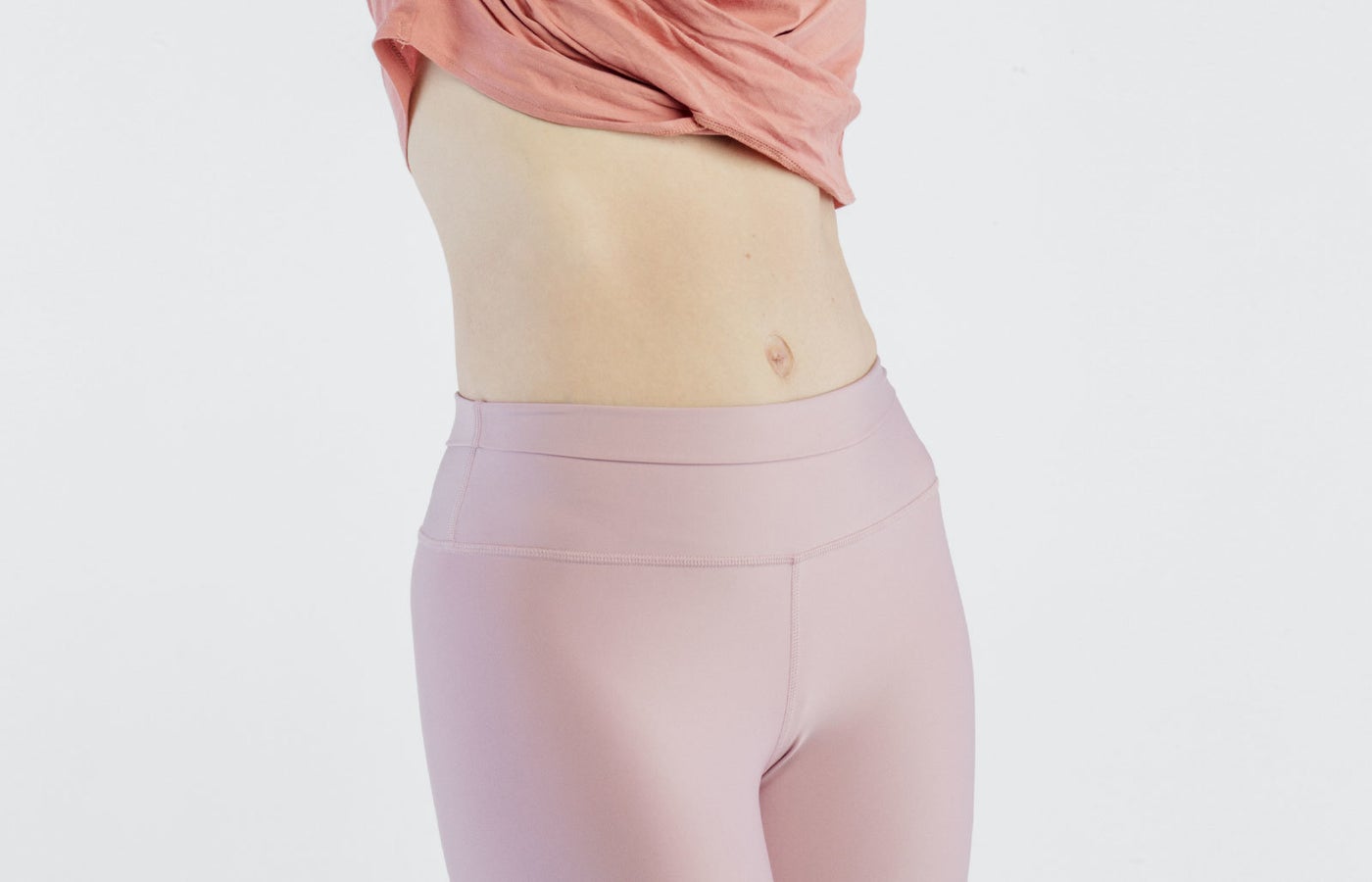
Im at 15 weeks after tummy tuck and liposuction and I seem to have a pouch in the lower part of my belly I saw my doctor 4 weeks ago, he used a siringe to get fluid out but nothing came, he told me it would go away on its own. Im I being to impatient or should I worry?

12 Doctor Answers | Asked by Phoenix811 in Phoenix, AZ
+2

Tummy tuck

There can be persistent swelling or a Seroma. If an aspiration was tried then it is more likely swelling, particularly if that area had some liposuction performed. Be patient and wear your compression garment.
+1

Tummy tuck and swelling

Hi, It seems that you have swelling in the area below the belly button. This is normal and will be worse at the end of the day. This is due to the vessels regenerating to the redraped tissue. If you did not have any fluid on aspiration, then you have fluid in the tissue like a "wet sponge". You need to be patient with this as it will get better over a years time. Also too is the fact that sometimes a secondary procedure is needed to decrease the... more
+1

Swelling after Tummy Tuck?

Thank you for the question. It would probably be best for you to be seen by your plastic surgeon again to rule out abnormal fluid accumulation (seroma). Generally speaking, tummy tuck surgery involves the interruption of arterial inflow as well as venous/lymphatic outflow. As patients' activity level increases the abdominal wall flap may have a hard time eliminating fluids from the area. It may take several months to a year for the situation to improve whereby... more

You might also like...

Real Stories

Reduction of Tummy - Durham, NC

Please note that this post is Pre-Op..I am having a complete tummy tuck done w/ more thigh...

Before + After Photos

View 4170 Tummy Tuck photos
+1

Protrusion of abdomen could represent a seroma

Has your abdomen become more protruding over the last 1 - 2 months? Do you feel firmness or a waterbed type of effect when you press on your abdomen (try laying down for this)? If your abdomen was much flatter initially after surgery, it is not unlikely that you could have formed a seroma. Just because your doctor could not aspirate any fluid out of your abdomen does not mean that there is no fluid present. I would suggest that you return to him for a recheck. You also may want to... more
+1

Swelling or seroma? after tummy tuck

Sorry you are unhappy at this point.  You are 15 weeks out from your tummy tuck, so most of your swelling has gone.  It is possibel that a seroma is present, but a photograph is not a good way to assess for that.  I would give it a couple more months (at 6 months, he should not argue it is swelling), then if there is no improvement, speak with your surgeon about either assessing for seroma with an ultrasound or a revision of the surgery.  He should not charge you for a... more
+1

Seroma or Normal Swelling 15 Weeks After Tummy Tuck?

Either is possible 15 weeks following a tummy tuck (or many similar operations that involve elevating tissues from there normal attachments, aka - dissecting between tissue planes).  The only way to tell for sure is by physical exam (preferably by the operating surgeon who knows exactly what he/she did in surgery) and occasionally ultrasound to verify a seroma.
+1

Swelling after Tummy Tuck

At 15 weeks, you've pretty much got what you're going to get.  A swelling, especially after removing fluid a month before, is likely to be a seroma.  One way to tell is to press on one side of the swelling and look for a "water-bed" effect (or a "fluid wave") on the other side of the swelling.  Go see your doc and tell him your concerns.  He should be able to tell pretty quickly what's going on.
+1

Healiing after Tummy Tuck

One attempted needle aspiration does not eliminate the possibility of a fluid collection (seroma) - perhaps it was missed. You may wish to obtain the opinion of another plastic surgeon.  
+1

Seroma or swelling 3 months after tummy tuck

A seroma this late seems unlikely,and your surgeon did attempt to aspirate and no fluid was found. It is not unusual for the lower abdomen to be rather stiff and numb, even up to nine months after. At 15 weeks you can exercise and work on abdominal tone. Yoga can improve posture. A Spanx during the day can help apply pressure over the lower abdomen as you wait out the final phase of healing. Best of luck, peterejohnsonmd
+1

Seroma or Normal Swelling 15 Weeks After Tummy Tuck?

You may have a true concern. I believe it is either a fluids collection or a poorly preformed TT - no muscle repair. Best to obtain additional in person consults. 
+1

Seroma after tummy tuck

Its impossible to diagnose a seroma with a photograph - if you and your doc perceive a 'fluid wave' when palpating the lowest part of your abdomen, then you've got a seroma .  Its quite likely that you have soft tissue swelling (edema) which is not a fluid collection, simply soft tissue water that has collected in the most dependant portion of your torso and stays there because of the disrupted lymphatic channels - this edema always resolves with time. An abdominal... more
+1

Swelling or seroma after a tummy tuck

Dear Pheonix811, From the current photo it is difficult to tell if you have swelling or seroma after your tummy tuck.  Both conditions could be present  after the procedure.  The most accurate way to differentiate between the two conditions, aside from a good physical exam, would be an ultrasound of the area. Please be aware though that the procedure may or may not be covered by your insurance company. I would recommend following up with your surgeon. K. Jacob... more
Doctors will not see your comments on their answers. If you'd like to follow up, please go here to ask another question.

Comments (1)

meyerjr 9 Mar 2013
My wife and I learned is that even busy, well trained cosmetic surgens are unfamiliar with how to treat abdominal seromas developing after a tummy tuck that result in the unexplained collection of fluids. When it became obvious that a seroma had formed: (lay back and push on one side of the swelling, you will see a wave like ripple - like an old fashioned water bed.) Initially the Dr aspirated with a syringe & needle in her office. It kinda worked but there was still a lot of fluid that she could not get to without risking damaging something else as she moved the needle around. Within 10 days the size of the seroma was obviously bigger. So she referred my wife to the radiologists at the local clinic who work in breast imaging department. First a radiologist technician did a full ultrasound mapping of the size and thickness of the seroma bursa. Soon after that, the radiologist located the seroma via ultrasound and under sterile conditions, used a needle attached to a bottle under vacuum to drain the seroma throughly. Because I had done lay research, I asked this radiologist if they would consider inserting a surgical drain or or injecting a sclerosing agent to "rough up" the sided of the pouch, she said no. In the breast imaging center, none of the radiologist would do anything except the aspiration - which they did on breasts 99% of the time. An abdominal seroma was novel to the entire team. My wife had 7 of these aspirations and of course it was designated as a chronic seroma. As my wife was scheduled to have the seroma bursa removed surgically by the cosmetic surgeon, she got very uncomfortable and needed to have the seroma aspirated one more time. For whatever reason, the medical clinic policy changed for all non-breast ultrasound aspirations would be done in a different specialty and by an "Interventional Radiologist" - in our case, he worked out of the chronic wound department. This interventional radiologist was amazing to us. As soon as he saw my wife's seroma he asked why a surgical drain had not been placed previously and if anyone had recommended injecting a sclerosing fluid. Wow, if we had been working with this radiologist from the beginning, it is very likely that the seroma could have been healed & sealed before it went chronic. Because our seroma had become so large & thick, even when freshly aspirated, we simply had it drained and the surgical removal happened 10 days later. Long story to observe (as a layman, not a Dr) that unexplained swelling / pouching should be watched by the surgen and from what I have learned, an exploratory (non-invasive) ultrasound is the best way to know if a seroma exists and its size/depth/thickness. Hope this helps someone.

Ask a Question

Welcome Back

Sign in with Facebook

Your information remains private and will not be posted without your permission.

Forgot your password?

Don't have an account? Create one now.

Join RealSelf

Join with Facebook

Your information remains private and will not be posted without your permission.

Please enter a valid email address
 Did you mean ?

By creating an account, you are indicating that you have read and accept the RealSelf Terms of Use.

Already a member? Sign In.

Retrieve your password

Enter your username or email address and we will send you a link to login.

Check your email

Check your email. We've sent you a link to reset your password.

Ok