No results found.
75 local doctors on RealSelf
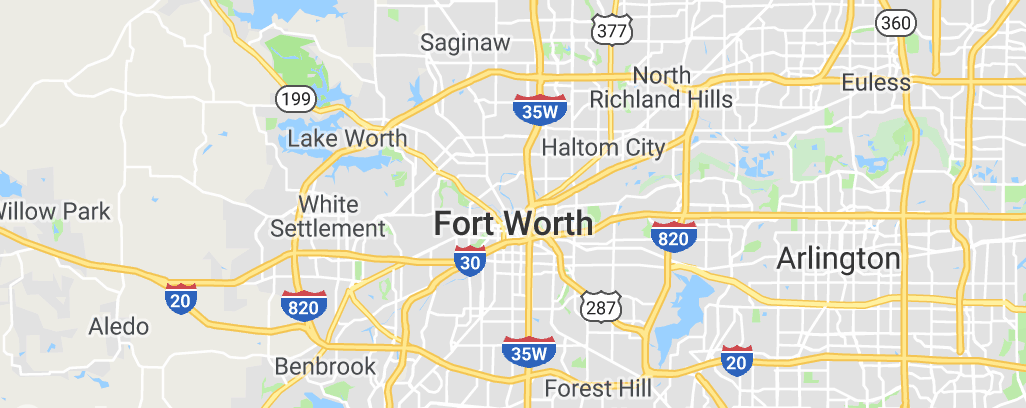
You'll find most facelift surgeons in Fort Worth near Sunset Terrace and Fairmount.
No results found.
Virtual consultations accepted
| 21 yrs exp | 2 board certs |
| 6 photos | 1 answer |
- 21 yrs experience
- 2 board certifications
- 6 photos
- 1 answer
Virtual consultations accepted
| 20 yrs exp | 1 board cert |
| 42 photos | 31 answers |
- 20 yrs experience
- 1 board certification
- 42 photos
- 31 answers

Virtual consultations accepted
| 12 yrs exp | 1 board cert |
| 16 photos | 4 answers |
- 12 yrs experience
- 1 board certification
- 16 photos
- 4 answers
RealSelf Verified Doctors
RealSelf Verified doctors complete our multistep verification process and meet rigorous requirements to become our most trusted plastic surgeons and cosmetic procedure providers.
Just look for the RealSelf Verified badge.
Learn more
| 1 contact · last 30 days | |
| 1k answers | |
- 1 contact · last 30 days
- 1k answers

Virtual consultations accepted
| 22 yrs exp | 1 board cert |
| 6 photos | 1 answer |
- 22 yrs experience
- 1 board certification
- 6 photos
- 1 answer
| 30 yrs exp | 1 board cert |
- 30 yrs experience
- 1 board certification
| 6 yrs exp | 1 board cert |
- 6 yrs experience
- 1 board certification

*Your results may vary. Any specific claims or permanence length of results vary for each patient and are not guaranteed.
We verify providers added on RealSelf have the right medical qualifications.
Reviews are written by real people—and doctors can't pay to remove them.
Read Facelift reviews in Fort Worth, TX.
$11,000
Dr. Ducic did an amazing job on my facelift. I was referred by a friend whom he had done a facelift on as well. I would highly recommend him for this surgery. He is honest and easy to talk to. Feels more like a friend than someone talking down to you. He is world renowned. When I came for my...
$5,000
I am a repeat “customer” of Dr. Scott E. Kasden A few years ago I had a very successful surgery performed by Dr. Kasden. This year, 2016, I began considering having “a little work done” to refresh my face, the only surgeon I even considered was Dr. Kasden. The outcome has been phenome...
$21,499
I am having my surgery in two weeks. I'm excited as well as very nervous. After reading many reviews on this site, it has helped calm my nerves a lot. I have seen so many pictures of remarkable results.. I pray that my results are remarkable too. I have chosen an excellent surgeon that I have...