No results found.
No results found.
40 Botox doctors & clinics in Buffalo, NY
40 Botox doctors & clinics in Buffalo, NY
Map
List
Location
7.3 mi
| 8 contacts · last 30 days | |
| 23 answers | |
- 8 contacts · last 30 days
- 23 answers
Real stories:
I always get great results with my procedures from Dr. Shatkin. I can relax because he is precise, careful and takes great pride in his work. I highly...
8.9 mi
Virtual consultations accepted
| 2 contacts · last 30 days | |
| 2 photos | 1 answer |
- 2 contacts · last 30 days
- 2 photos
- 1 answer
Real stories:
I recently had the pleasure of visiting Dr. Bertolino for Botox and other beauty services, and I must say, the experience was nothing short of exceptional....
7.3 mi
Real stories:
I received 1 session of on May 10th, I believe it was 4 viles. I have low pain threshold so opted for a local anesthetic. It still hurt like a mother...
RealSelf Verified Doctors
RealSelf Verified doctors complete our multistep verification process and meet rigorous requirements to become our most trusted plastic surgeons and cosmetic procedure providers.
Just look for the RealSelf Verified badge.
Learn more
3 mi
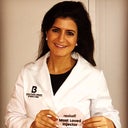
Offers Gender-Affirming Care
Real stories:
I had an excellent experience at Buffalo Plastic Surgery today! Just had another successful botox treatment. The staff at the front desk to the staff...
9.3 mi
Real stories:
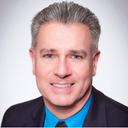
Extremely Happy! My first experience with Botox at 66, I was a tad nervous, but Dr Schultz & his staff made me feel very comfortable. They explained...
9.3 mi
| 1 photo |
- 1 photo
Real stories:
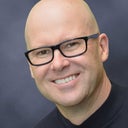
I went to Dr. Accetta for botox and fillers. This guy really new his stuff. Office was clean, staff was extremely professional and the wait was not bad at...
11 mi
| 6 answers |
- 6 answers
Real stories:
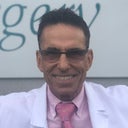
Dr Koch is very friendly, professional and knowledgeable. He is highly skilled at what he does. He's performed breast augmentation on me as well as many...
*Your results may vary. Any specific claims or permanence length of results vary for each patient and are not guaranteed.
Loading
We check qualifications
We verify providers added on RealSelf have the right medical qualifications.
Reviews you can trust
Reviews are written by real people—and doctors can't pay to remove them.